When buying property in Devon, understanding common building defects is essential for Exeter surveyors and homebuyers alike. Our chartered surveyors have inspected thousands of Devon properties, and we've identified recurring structural issues that affect homes across the region. Whether you're purchasing a period property in Exeter city centre or a rural cottage in the Devon countryside, knowing what defects to watch for can save you thousands of pounds and prevent future heartache.
Devon's unique climate, geological characteristics, and rich architectural heritage create specific challenges for property owners. The region's high rainfall, coastal exposure, and historic building stock contribute to a distinctive pattern of building defects that every prospective buyer should understand before committing to a purchase. Professional Exeter surveyors are trained to identify these issues during comprehensive building surveys, providing you with the detailed information needed to make informed decisions.
Understanding Why Devon Properties Face Unique Challenges
Devon's geographical location and climate patterns create the perfect conditions for certain building defects to develop. The county experiences some of the highest rainfall levels in England, with coastal areas particularly vulnerable to wind-driven rain and salt-laden air. These environmental factors, combined with the area's geological characteristics including clay soils and varied bedrock, mean that Exeter surveyors must be especially vigilant when examining properties.
The region's architectural heritage is another important consideration. Devon boasts thousands of listed buildings and period properties constructed using traditional methods and materials. While these historic homes possess undeniable charm and character, they also present unique maintenance challenges. Traditional cob walls, stone construction, lime mortar, and older timber frames require specialist knowledge to survey properly, and many common defects in these buildings differ significantly from issues found in modern properties.
Damp and Moisture Penetration: Devon's Most Common Problem
Damp is by far the most prevalent building defect identified by Exeter surveyors during property inspections across Devon. The region's high rainfall and humidity levels create ideal conditions for moisture-related problems, and we encounter damp issues in approximately seventy percent of the older properties we survey. Understanding the different types of damp and their causes is crucial for anyone considering purchasing property in the area.
Penetrating Damp
Penetrating damp occurs when water enters a building through walls, roofs, or around windows and doors. In Devon properties, this is frequently caused by defective render on external walls, which can crack and allow rainwater to penetrate beneath the surface. Once water enters these cracks, it becomes trapped behind the render and gradually soaks into the underlying masonry. Many older Devon properties have solid walls without cavities, meaning that moisture can travel directly from the exterior to interior surfaces.
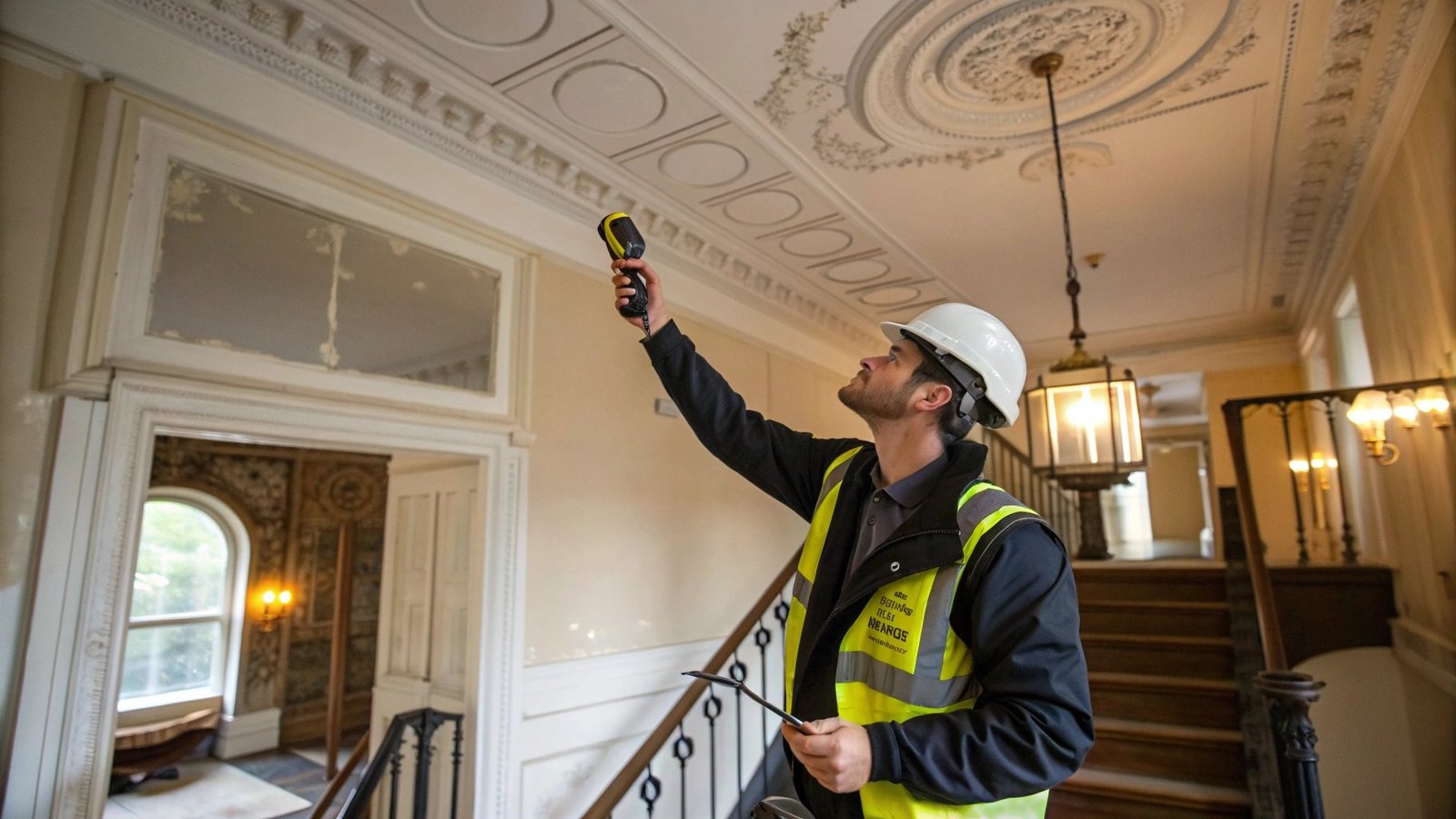
Roof defects are another major cause of penetrating damp. Missing or slipped roof tiles, deteriorated lead flashings, and blocked or damaged gutters allow water to enter roof spaces and walls. During heavy rainfall events, which are common throughout Devon, even minor roof defects can result in significant water ingress. Exeter surveyors pay particular attention to these vulnerable areas during inspections, using moisture meters and thermal imaging equipment to detect hidden damp that may not yet be visible to the naked eye.
Traditional Devon cottages with thick cob or stone walls require special consideration. These buildings were designed to "breathe," allowing moisture to evaporate naturally through lime-based mortars and renders. When well-meaning owners apply modern cement renders or impermeable coatings, they prevent this natural moisture movement and trap dampness within walls. This can lead to accelerated deterioration of the underlying structure and create serious damp problems that are expensive to rectify.
Rising Damp
Rising damp occurs when groundwater moves upward through porous building materials by capillary action. Many older Devon properties were constructed without damp-proof courses or with physical damp-proof courses that have deteriorated over time. The characteristic signs include a tide mark of dampness and salt deposits on internal walls, typically rising to about one metre above ground level, along with damaged skirting boards and peeling wallpaper.
However, experienced Exeter surveyors know that genuine rising damp is less common than often diagnosed. Many cases attributed to rising damp are actually caused by other issues such as bridged damp-proof courses, raised external ground levels, defective pointing, or splashback from hard surfaces adjacent to walls. A thorough survey will identify the true cause of dampness rather than automatically recommending expensive damp-proof course installation.
Condensation and Mould Growth
Condensation occurs when warm, moisture-laden air comes into contact with cold surfaces, and it's an increasingly common problem in Devon properties. Modern lifestyle changes including increased use of showers and baths, clothes drying indoors, and cooking all generate significant moisture. When combined with improved draught-proofing and reduced ventilation in homes, this moisture has nowhere to escape and condenses on cold surfaces such as windows, external walls, and unheated rooms.
Black mould growth is the visible consequence of chronic condensation problems. Not only is this unsightly and damaging to decorations and furnishings, but it also presents potential health risks, particularly for those with respiratory conditions or compromised immune systems. Professional Exeter surveyors will assess ventilation provision, heating systems, and insulation levels to determine whether condensation issues are likely to be problematic in a property.
Structural Movement and Subsidence in Devon Properties
Structural movement is a serious concern that Exeter surveyors investigate thoroughly during building surveys. Devon's varied geology, including areas of clay soil that shrink and swell with changes in moisture content, makes certain properties vulnerable to subsidence and ground movement. Understanding the difference between historic settlement, ongoing subsidence, and normal seasonal movement is crucial for accurate risk assessment.
Subsidence and Ground Movement
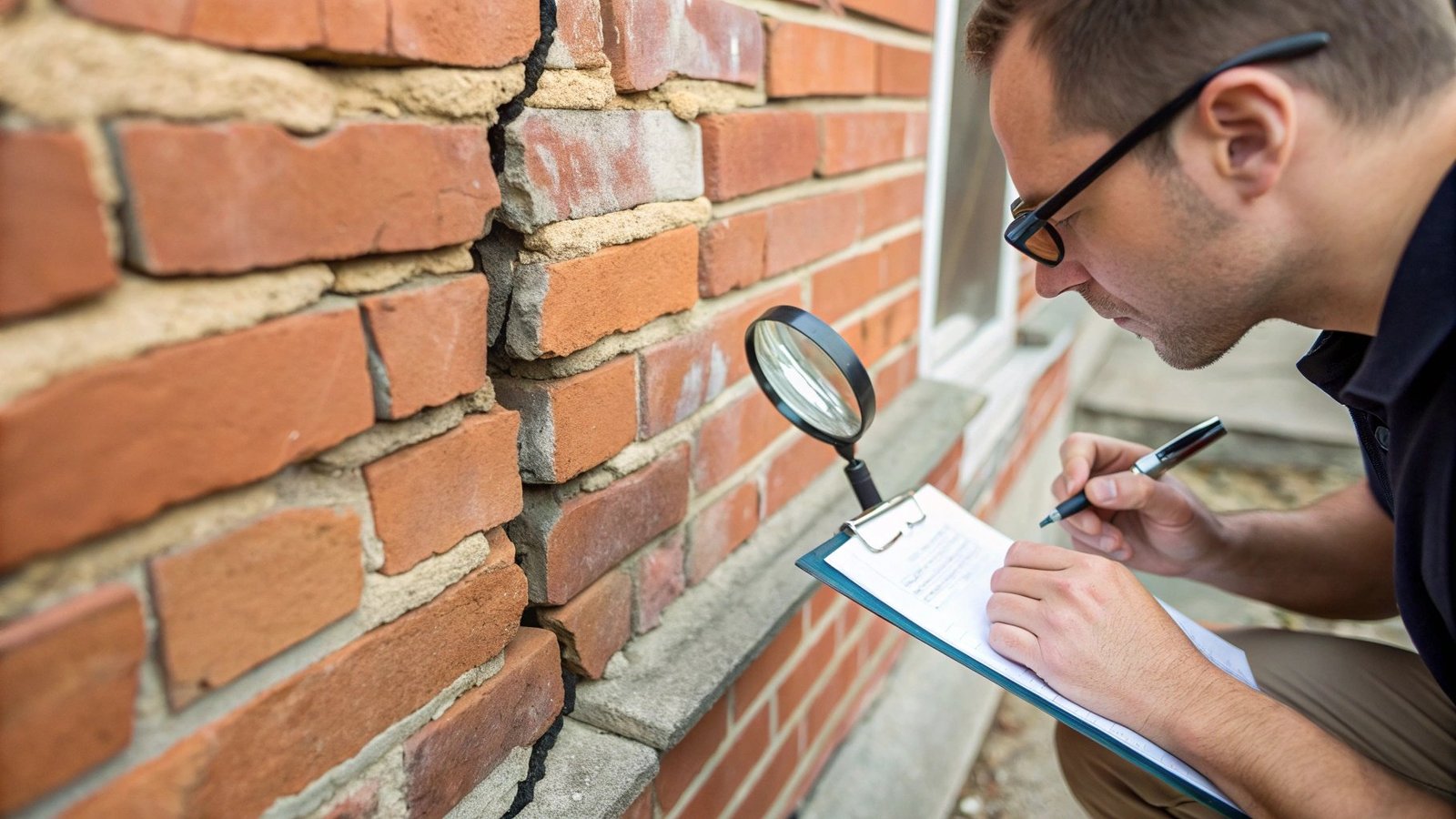
Subsidence occurs when the ground beneath a building sinks, taking the foundations with it and causing structural damage. In Devon, clay soils are particularly susceptible to shrinkage during dry periods, especially when mature trees nearby extract moisture from the soil. Properties built on made ground, filled land, or near mining areas may also be vulnerable. The characteristic signs include cracks that are diagonal, wider at the top than bottom, wider than five millimetres, visible both internally and externally, and located near doors, windows, or building corners.
Professional Exeter surveyors use crack monitoring techniques, level surveys, and structural calculations to assess whether cracking represents active ongoing movement or historic settlement that has now stabilized. This distinction is crucial because active subsidence requires urgent remediation and will affect property insurability, while historic settlement that has stabilized may require no action beyond routine maintenance.
Tree root-related subsidence is increasingly common in Devon's suburban areas where mature trees stand near properties. Oak, willow, poplar, and elm trees are particularly problematic because of their extensive root systems and high water demand. When these trees are removed or severely pruned, the soil can swell as moisture content increases, causing heave that pushes foundations upward. This can be just as damaging as subsidence but requires different remediation approaches.
Historic Settlement in Period Properties
Many Devon properties, particularly those constructed before modern foundation standards were introduced, exhibit signs of historic settlement. This is especially common in cob cottages, stone-built properties, and buildings constructed on sloping sites. Walls may lean slightly, floors may slope, and doors or windows might be out of square. Experienced Exeter surveyors understand that these characteristics often represent long-stabilized movement that has occurred over decades or centuries and doesn't necessarily indicate ongoing problems.
However, distinguishing between acceptable historic movement and active ongoing problems requires expertise. Surveyors assess crack patterns, monitor for recent movement, examine external ground levels, and consider whether alterations or changes to the property might have triggered new movement. Even in period properties where some degree of movement is expected and acceptable, sudden changes or new cracking patterns warrant careful investigation.
Roofing Defects Common in Devon Properties
The roof is a property's first line of defence against Devon's wet weather, and roofing defects are among the most common and potentially serious issues identified by Exeter surveyors. Regular maintenance and timely repairs are essential to prevent minor issues from escalating into major problems that can cost tens of thousands of pounds to rectify.
Slate and Tile Problems
Devon properties feature various roofing materials including natural slate, clay tiles, concrete tiles, and traditional stone slate in some rural areas. Each material has its own typical defect patterns and lifespan expectations. Natural slate roofs, common on Victorian and Edwardian properties, can last over a century with proper maintenance but eventually become brittle and prone to delamination. Nails corrode over time, causing slates to slip or fall, and once a significant proportion of fixings have failed, complete re-roofing becomes necessary.
Clay and concrete tiles also have finite lifespans, typically between forty and sixty years depending on quality and exposure. South and west-facing roofs, which receive the most severe weather in Devon, deteriorate faster than sheltered elevations. Moss and lichen growth, while picturesque, can accelerate tile deterioration by retaining moisture and blocking drainage pathways. Professional Exeter surveyors assess not just the current condition of roof coverings but also their remaining service life and likely replacement timeframe.
Flat Roof Problems
Flat roofs, commonly used for extensions, garages, and dormers on Devon properties, have much shorter lifespans than pitched roofs and require more frequent replacement. Traditional built-up felt roofs typically last only fifteen to twenty years before deterioration becomes apparent. Blistering, cracking, ponding water, and failed seams are common defects that allow water penetration into the structure below.
Modern single-ply membrane systems and GRP fibreglass roofs offer better performance and longevity, but many Devon properties still have ageing felt roofs that are nearing the end of their service life. Because flat roofs are difficult to inspect thoroughly without access, Exeter surveyors often use thermal imaging cameras to detect moisture trapped within the roof structure, identifying problems before they become visible inside the property.
Chimney and Flashing Defects
Chimneys represent vulnerable points in any roof, and defects around these features are extremely common in Devon properties. Lead flashings, which waterproof the junction between chimney and roof, have limited lifespans and eventually crack, split, or pull away from the masonry. When this occurs, water enters the roof space and can cause significant damage to timbers and ceilings before becoming apparent to occupants.
Chimney stacks themselves deteriorate over time, particularly when no longer in use. Pointing erodes, brickwork becomes loose, and render coatings crack. Unprotected chimney pots and caps allow rain to enter flues, causing dampness and deterioration to chimney breasts inside the property. In severe cases, chimney stacks can become unstable and require rebuilding or removal. Chartered surveyors in Exeter always inspect chimneys carefully, often using binoculars or drones to examine high-level detail that cannot be seen from ground level.
Timber Decay, Woodworm, and Fungal Attack
Devon's damp climate creates favorable conditions for timber decay organisms, and wood-destroying fungi and insects are common problems identified during building surveys. Understanding these biological defects and their implications is essential for property buyers, as remediation can be extensive and expensive depending on the severity of infestation.
Wet Rot and Dry Rot
Wet rot is the most common form of timber decay in Devon properties, developing when timber remains persistently damp with moisture content above approximately twenty-eight percent. It typically affects external joinery such as window frames, door frames, and fascia boards, as well as structural timbers in damp areas like cellars, bathrooms, and areas affected by plumbing leaks. Wet rot causes timber to become soft, spongy, and darkened, with cracks following the grain.
While wet rot is concerning, it's relatively easy to treat once the source of moisture is identified and eliminated. Affected timber is cut out and replaced, and provided dampness is controlled, the fungus cannot spread to adjacent dry timber. Professional Exeter surveyors use moisture meters to assess timber moisture content and identify areas at risk of wet rot development.
Dry rot is more serious and requires more extensive remediation. Despite its name, dry rot initially requires damp conditions to germinate, but once established, it can spread through masonry to attack timber in drier areas. The characteristic signs include deep cuboidal cracking in affected timber, fine grey mycelium growth, rust-coloured spore dust, and distinctive mushroom-like fruiting bodies. Dry rot has a musty, mushroom-like odour that experienced surveyors recognize immediately.
Treatment for dry rot is extensive and disruptive, involving removal of all affected timber plus additional sound timber beyond visible infection, fungicidal treatment of surrounding masonry, and installation of new timber with preservative treatment. Because dry rot can spread behind plaster and through walls, specialist contractors use endoscopic cameras and other investigation techniques to determine the full extent of infestation before treatment. Insurance companies often require specialist timber treatment reports before providing cover on properties with a history of dry rot.
Woodworm and Insect Infestation
Woodworm is a generic term for various wood-boring beetle larvae that tunnel through timber, weakening its structure. Common furniture beetle is the most prevalent species in Devon properties, identifiable by small round flight holes approximately two millimetres in diameter and fine powdery frass (bore dust) beneath affected timbers. While concerning when active, many properties show evidence of historic woodworm infestation that has been successfully treated or has become inactive.
Distinguishing between active and inactive infestations is crucial. Fresh, clean-edged flight holes with frass present indicate current activity requiring treatment, while old holes with darkened edges and no frass suggest historic infestation. Experienced Exeter surveyors examine roof timbers, floor joists, and other structural elements for evidence of woodworm, assessing whether treatment is necessary and whether existing infestations have compromised structural integrity.
Death watch beetle and house longhorn beetle are less common but more serious problems occasionally encountered in Devon properties. Death watch beetle typically affects old hardwood timbers in historic buildings, while house longhorn beetle attacks roof timbers in certain geographical areas. Both can cause severe structural damage and require specialist treatment. RICS-qualified surveyors are trained to recognize the distinctive signs of different beetle species and recommend appropriate action.
External Wall and Render Problems
External walls provide crucial weather protection, and defects affecting these elements are extremely common in Devon properties. The type and severity of defects vary depending on wall construction, age, and exposure, but all require attention to prevent deterioration and moisture penetration.
Render Defects
Many Devon properties have rendered external walls, and render deterioration is one of the most frequently encountered defects. Traditional lime renders, commonly found on older properties, are porous and flexible, allowing walls to breathe and accommodate minor movement. However, these renders require regular maintenance and can be damaged by weathering, frost action, and vegetation growth.
Modern cement-based renders are more durable but less forgiving of building movement and moisture dynamics. When applied to traditionally constructed buildings, they can trap moisture and prevent natural evaporation, causing accelerated deterioration of underlying masonry. Cracking, hollowing, and delamination are common problems that allow water penetration and can lead to more serious structural issues if left unaddressed.
Hollow areas where render has separated from the underlying substrate are particularly problematic. Exeter surveyors tap walls during inspections to identify hollow-sounding areas that indicate render failure. Water can penetrate through cracks and become trapped behind hollow render, causing extensive hidden damage before becoming apparent. In severe cases, large areas of render need removal and replacement, representing significant expense.
Cavity Wall Tie Corrosion
Properties constructed between approximately nineteen thirty and nineteen ninety typically have cavity walls consisting of an inner leaf, outer leaf, and metal wall ties connecting them. Over time, these wall ties corrode, particularly in coastal areas of Devon where salt-laden air accelerates the process. Corroded wall ties expand, causing horizontal cracking in mortar joints at regular vertical intervals where ties are located.
When wall tie corrosion is identified, remediation involves installing new stainless steel replacement ties and removing or isolating corroded original ties. This is specialist work requiring access equipment and can cost several thousand pounds depending on property size and access considerations. Professional Exeter surveyors are trained to recognize the characteristic crack patterns indicating wall tie problems and can recommend appropriate remedial action.
Drainage and Foundation Issues
Below-ground drainage systems and foundations are critical building elements that cannot be visually inspected without invasive investigation. However, Exeter surveyors look for telltale signs of drainage problems and foundation issues that may warrant further investigation before purchase completion.
Drainage Defects
Defective drains can cause serious problems including ground instability, damp penetration, and unpleasant odours. Common issues include cracked, broken, or displaced drain pipes, root intrusion from nearby trees and shrubs, collapsed sections, and incorrect falls preventing proper drainage. Older properties may have pitch fibre drains that have collapsed internally, or clay pipes with failed joints that allow soil and roots to enter the system.
Surface water drainage is equally important, particularly in Devon where rainfall is substantial. Blocked or inadequate gutters and downpipes, defective gullies and drains, and improperly designed soakaways can all result in water accumulating near foundations, potentially causing subsidence, damp penetration, and structural movement. Professional surveyors assess surface water drainage during inspections and recommend CCTV drainage surveys when concerns are identified.
Foundation Concerns
While foundations cannot be inspected directly without excavation, surveyors look for indicators of foundation problems including structural cracking, differential movement, and distortion. Older Devon properties often have shallow foundations that were adequate when constructed but may be vulnerable to ground movement, particularly in areas with shrinkable clay soils or where large trees are present.
Properties built on sloping sites or near changes in ground level require particular attention, as do those constructed using traditional methods without formal foundations. Many Devon cob cottages and stone buildings were constructed directly on compacted earth or minimal stone footings, and while these have often performed adequately for centuries, they can be vulnerable to ground movement and moisture-related issues.
Electrical Installation and Safety Concerns
While Exeter surveyors are not qualified electricians, they assess the apparent age and condition of electrical installations and identify obvious safety concerns. Electrical systems have limited lifespans, and installations more than approximately thirty years old typically require replacement to meet modern safety standards and capacity requirements.
Common electrical concerns identified during surveys include obsolete wiring systems such as rubber or lead-sheathed cables, inadequate earthing and bonding arrangements, insufficient socket outlets requiring use of adaptors and extension leads, old-style consumer units without RCD protection, and DIY alterations that may not comply with wiring regulations. Professional surveyors recommend that buyers commission electrical condition reports by qualified electricians, particularly for older properties where wiring may be original or significantly outdated.
The Value of Professional Survey Services
Understanding common building defects in Devon properties highlights the essential value of professional survey services when purchasing property. Experienced Exeter surveyors possess the specialist knowledge, training, and equipment necessary to identify defects, assess their significance, and provide realistic cost estimates for remediation. This information empowers buyers to negotiate appropriate price reductions, request repairs before completion, or make informed decisions about whether to proceed with purchase.
A comprehensive RICS Level 3 Building Survey conducted by qualified Exeter surveyors typically costs between six hundred and one thousand five hundred pounds depending on property size, age, and complexity. This investment can save buyers tens of thousands of pounds by identifying serious defects before legal commitment, providing leverage for price negotiation, and preventing costly surprises after purchase. For anyone purchasing property in Devon, professional survey services represent essential due diligence that should never be omitted.
Frequently Asked Questions
What are the most common defects in Devon properties?
The most common defects identified by Exeter surveyors include damp and moisture penetration (affecting approximately seventy percent of older properties), roofing problems including slipped tiles and failed flashings, structural movement and cracking, timber decay and woodworm infestation, and external render deterioration. Devon's high rainfall and humid climate make moisture-related problems particularly prevalent.
How can I tell if a property has serious structural problems?
Warning signs of serious structural issues include diagonal cracking wider than five millimetres, cracks that are wider at the top than bottom, multiple cracks near doors and windows, visible distortion in walls or floors, and cracks visible both internally and externally. However, only qualified Exeter surveyors can accurately assess whether cracking represents active ongoing movement requiring remediation or historic settlement that has stabilized.
Should I be concerned about damp in an older property?
Some degree of dampness is common in older Devon properties, particularly those with solid walls and traditional construction. The key considerations are the cause of dampness, its extent and severity, and whether it can be rectified reasonably. Professional Exeter surveyors use moisture meters and thermal imaging to assess damp thoroughly and distinguish between penetrating damp, rising damp, and condensation, each requiring different remediation approaches.
How much does it cost to fix common building defects?
Remediation costs vary enormously depending on defect type and severity. Minor repairs such as replacing slipped roof tiles might cost a few hundred pounds, while major works such as underpinning for subsidence, complete re-roofing, or dry rot treatment can cost tens of thousands. Experienced Exeter surveyors provide realistic cost estimates in survey reports, helping buyers understand likely expenditure and negotiate appropriately.
Do all older properties have building defects?
Virtually all older properties exhibit some defects or maintenance requirements, and expecting perfection in a period property is unrealistic. The important considerations are whether defects are serious or minor, whether they represent ongoing deterioration or stable historic conditions, and what remediation costs are likely. Professional building surveys by qualified Exeter surveyors help buyers understand what defects exist and their significance before committing to purchase.
Will building defects affect my mortgage or insurance?
Serious defects can indeed affect mortgage lending and insurance availability. Subsidence, structural movement, dry rot, and certain other problems may cause lenders to withhold mortgage offers until remediation is completed, or may result in retention of funds pending repairs. Insurance companies may exclude certain defects from cover or require specialist surveys. This is why professional surveys by experienced Exeter surveyors are essential before legal commitment to purchase.
Protect Your Investment with Professional Survey Services
Understanding common building defects in Devon properties is the first step toward making an informed property purchase decision. Our experienced team of chartered Exeter surveyors has the specialist knowledge and equipment necessary to identify defects, assess their significance, and provide comprehensive advice on remediation requirements and costs.
Don't risk discovering expensive problems after purchase—commission a professional RICS Level 3 Building Survey for complete peace of mind. Contact our expert surveying team today to discuss your property survey requirements and protect your investment with professional due diligence services trusted by property buyers throughout Devon.