Your roof is your property's primary defence against Devon's notorious rainfall and harsh weather conditions. Professional Exeter surveyors know that comprehensive roof surveys are essential for identifying defects before they escalate into expensive repairs or cause damage to the interior structure. Whether you're purchasing a property, planning maintenance, or investigating suspected problems, understanding what professional roof surveys involve and why they're crucial can save you thousands of pounds and protect your most valuable asset.
Devon's climate presents unique challenges for roofing systems. The county experiences some of England's highest rainfall levels, with coastal properties facing additional exposure to salt-laden winds that accelerate deterioration of roofing materials. Traditional construction methods used in many Devon properties mean that roofs vary enormously in design, materials, and condition. From natural slate on Victorian terraces to modern interlocking tiles on contemporary homes, each roof type requires specialist knowledge to survey effectively and assess accurately.
Why Professional Roof Surveys Are Essential
Many property buyers underestimate the importance of thorough roof inspection, yet roofing defects represent some of the most expensive remediation work homeowners face. Complete re-roofing of a typical three-bedroom semi-detached property can easily cost fifteen to twenty-five thousand pounds, while even moderate repairs to flashings, valleys, or chimneys can run into thousands. Exeter surveyors conducting professional building surveys identify roofing problems that might not be apparent to untrained eyes, providing crucial information that influences purchasing decisions and prevents costly post-purchase surprises.
Roof defects rarely remain static. A few slipped slates or minor flashing deterioration can rapidly escalate during winter storms, allowing water penetration that damages timber roof structures, insulation, ceilings, and even internal fixtures and fittings. What might cost several hundred pounds to repair when identified early can become a major structural problem costing tens of thousands if left unaddressed. This is why experienced property buyers commission comprehensive surveys from qualified Exeter surveyors who have the expertise and equipment necessary to assess roof condition accurately.
What Does a Professional Roof Survey Include?
Comprehensive roof surveys conducted by chartered surveyors involve detailed inspection of all visible roof elements from multiple vantage points. Understanding what surveyors examine and how they assess condition helps property buyers appreciate the thoroughness of professional inspections and the value they provide.
External Roof Covering Inspection
The primary roof covering—whether slate, tile, felt, or other material—receives close scrutiny during surveys. Exeter surveyors examine the overall condition, age, and remaining service life of roofing materials, looking for signs of deterioration, damage, or inadequate installation. Specific issues assessed include slipped, cracked, or missing slates or tiles that compromise weather-tightness; delaminating or deteriorating natural slate reaching the end of its lifespan; cracked or broken concrete or clay tiles; nail sickness where original fixings have corroded and failed; moss, lichen, or vegetation growth that retains moisture and accelerates deterioration; and inadequate ventilation causing condensation problems in roof spaces.
Different roofing materials exhibit characteristic defect patterns that experienced surveyors recognize immediately. Natural slate, for example, may show nail corrosion after eighty to one hundred years, causing slates to slip progressively. Concrete tiles manufactured in the nineteen seventies and eighties often suffer from premature deterioration due to manufacturing defects, requiring earlier replacement than expected. Clay tiles are generally more durable but can crack from frost action or impact damage. Professional Exeter surveyors understand these material-specific issues and assess whether observed defects represent normal wear or indicate systematic failure requiring intervention.
Roof Structure and Timber Assessment
Where roof spaces are accessible, surveyors examine internal timber structures for defects that might compromise structural integrity or indicate moisture problems. This inspection includes assessing roof trusses, purlins, and rafters for adequate size, spacing, and condition; checking for signs of rot, decay, or insect infestation in roof timbers; identifying sagging, deflection, or distortion indicating structural inadequacy or failure; examining insulation provision and condition; and checking for evidence of leaks, dampness, or condensation problems.
Modern trussed rafter roofs, common in properties built from the nineteen sixty onward, use engineered timber components designed to specific load calculations. Alterations to these roofs—such as cutting truss members to create storage space or install roof lights—can seriously compromise structural integrity. Experienced Exeter surveyors identify such alterations and assess whether structural calculations and building control approval were obtained. Older cut timber roofs use traditional construction methods with purlins, rafters, and ceiling joists, and surveyors assess whether these elements remain sound and adequately sized for the loads they carry.
Chimneys, Flashings, and Junctions
The junctions where different roof elements meet represent particularly vulnerable points where water penetration commonly occurs. Surveyors pay special attention to chimney stacks and flashings; roof valleys where two roof slopes meet; abutments where roofs meet walls; verges at roof edges; ridges at roof peaks; and roof penetrations for soil pipes, extractor vents, or other services.
Lead flashings around chimneys, valleys, and abutments have finite lifespans and eventually require replacement. Surveyors examine lead condition, checking for cracks, splits, patination (the natural weathering process), and adequate upstands into walls. Mortar fillets used instead of lead flashings in some properties are poor practice that inevitably fails, allowing water penetration. Professional roof surveys identify such deficiencies and recommend proper lead flashings for lasting weather protection.
Chimney stacks themselves deteriorate over time, particularly when no longer in use for heating. Pointing erodes, allowing water penetration into masonry. Brickwork can spall and crack from frost action. Chimney pots may be damaged or poorly capped, allowing rain to enter flues and cause dampness to chimney breasts inside the property. In severe cases, chimney stacks become structurally unsound and require rebuilding or removal. Exeter surveyors examine chimneys carefully using binoculars or drones to assess high-level condition that cannot be evaluated from ground level alone.
Gutters, Downpipes, and Rainwater Disposal
Effective rainwater disposal is crucial for preventing water damage to walls and foundations. Roof surveys include assessment of gutters for adequate size, capacity, and condition; downpipes and their discharge arrangements; gutter brackets and falls ensuring proper drainage; blockages from leaves, moss, or debris; and leaking joints or corroded sections requiring replacement.
Undersized gutters that cannot cope with Devon's heavy rainfall cause water overflow that saturates walls and can lead to penetrating damp and structural damage. Original cast iron or asbestos-cement gutters, common on older properties, may have deteriorated and require replacement with modern uPVC or aluminium systems. Surveyors assess whether guttering is adequate for roof area and typical rainfall, recommending improvements where deficiencies are identified.
Roof Survey Techniques and Equipment
Professional Exeter surveyors employ various inspection techniques and specialist equipment to assess roofs thoroughly, particularly those with limited accessibility or where defects may not be immediately visible from ground level.
Binocular Inspection
High-powered binoculars allow detailed examination of roof surfaces, chimneys, and flashings from ground level. This technique is particularly valuable for inspecting roofs that are too steep, fragile, or dangerous to access directly. Experienced surveyors can identify slipped slates, cracked tiles, deteriorated flashings, and chimney defects from ground level, though this method has limitations compared to close-up inspection.
Drone Technology
Modern drone surveys provide high-resolution photography and video of roof surfaces, allowing detailed assessment without physical access. This technology is particularly valuable for large, complex, or inaccessible roofs where traditional inspection methods would be impractical or dangerous. Drones can capture detailed images of roof condition, flashing details, chimney condition, and areas of concern, providing visual evidence that enhances written survey reports.
Thermal Imaging
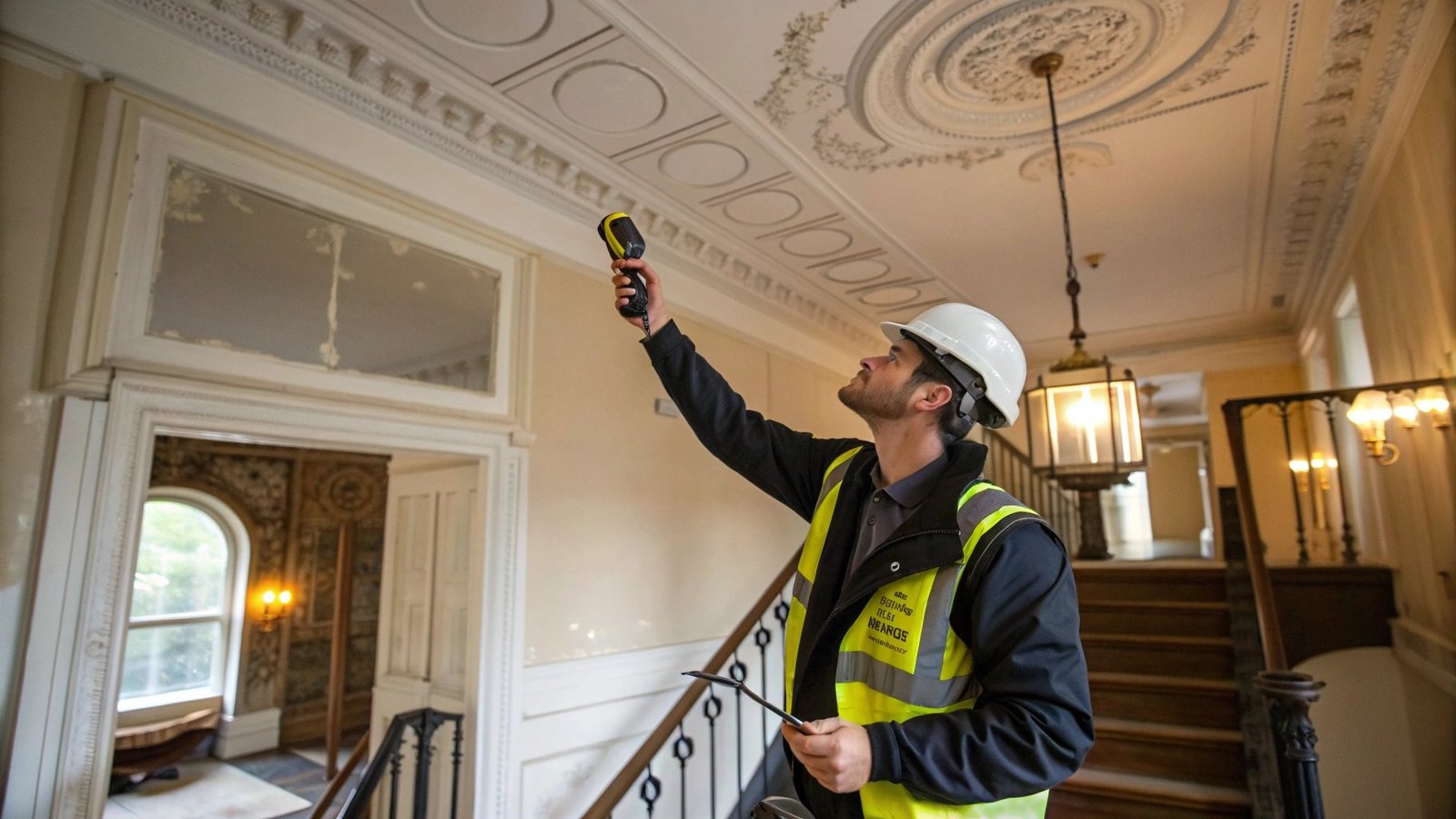
Thermal imaging cameras detect temperature variations that indicate moisture penetration, missing insulation, or air leakage. This technology allows surveyors to identify hidden problems that might not yet be visible as staining or damage. Damp areas show different thermal signatures than dry materials, making thermal imaging particularly valuable for detecting concealed leaks beneath apparently sound roof coverings.
Physical Access and Inspection
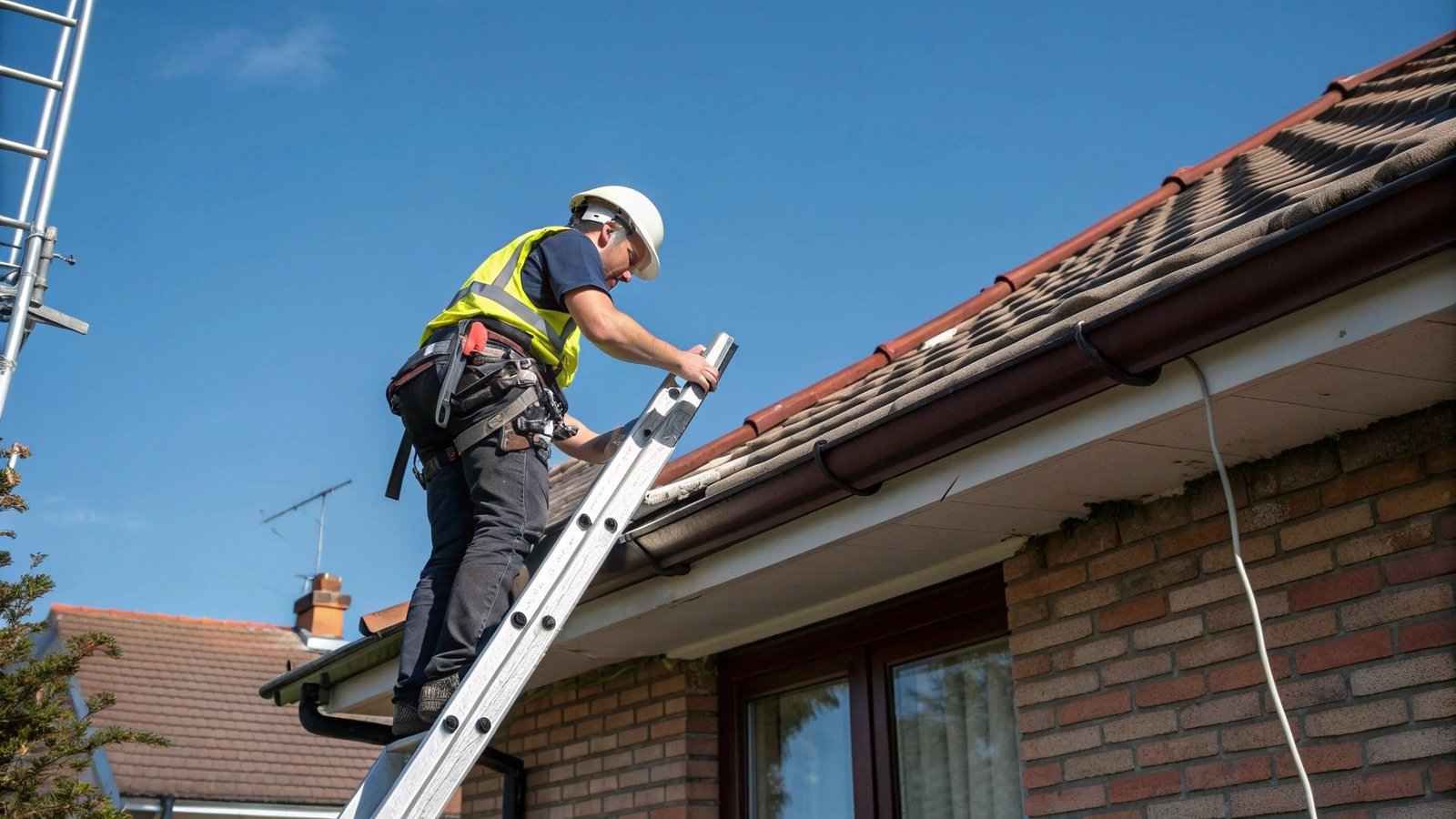
Where safe and practical, physical access to roof surfaces provides the most detailed assessment. Surveyors can examine roof covering condition closely, test tiles or slates for soundness, inspect flashing details thoroughly, and assess roof structure from within accessible roof spaces. However, physical access must be safe and appropriate—surveyors won't access fragile roofs where walking would cause damage, steeply pitched roofs without proper equipment, or roofs in wet conditions where surfaces are dangerously slippery.
Common Roof Defects in Devon Properties
Understanding the typical roof problems encountered in Devon helps property buyers appreciate what surveyors look for during inspections and what defects might affect their potential purchase.
Slate and Tile Deterioration
Natural slate roofs, common on Victorian and Edwardian Devon properties, can last over one hundred years with proper maintenance but eventually reach the end of their service life. Slate delamination, where layers separate and flake away, indicates advanced deterioration. Nail sickness occurs when original copper or iron nails corrode, causing slates to slip progressively. Once a significant proportion of fixings have failed, complete re-roofing becomes necessary because individual slate replacement becomes impractical and unreliable.
Concrete tiles on properties from the nineteen sixties onward may show premature failure, particularly tiles manufactured in certain periods with inherent manufacturing defects. These tiles become porous, frost-damaged, and deteriorate far earlier than their expected forty to sixty year lifespan. Identifying such premature failure during survey inspections is crucial because re-roofing costs are substantial and buyers need this information for negotiation and budgeting.
Flat Roof Problems
Flat roofs on extensions, dormers, and garages present particular challenges in Devon's wet climate. Traditional built-up felt roofs typically last only fifteen to twenty years before requiring replacement. Common defects include blistering and bubbling of felt layers; cracking and splitting allowing water penetration; ponding where inadequate falls prevent proper drainage; failed seams and laps; and general deterioration from UV exposure and weathering.
Modern alternatives including single-ply membrane systems, GRP fibreglass, and EPDM rubber offer better longevity and performance, but many Devon properties still have aging felt roofs approaching or exceeding their service life. Because flat roof replacement is expensive—typically three to five thousand pounds for a small extension roof—identifying imminent replacement needs during pre-purchase surveys allows buyers to factor these costs into their decision-making.
Valley and Flashing Failures
Valleys where two roof slopes meet are particularly vulnerable to problems. Traditional lead-lined valleys last decades with proper installation but eventually corrode or split. Less expensive alternatives including felt valleys or fibre cement valleys have shorter lifespans and often fail prematurely. Valley leaks can cause extensive damage to roof timbers and internal ceilings before becoming apparent, making early identification during surveys especially valuable.
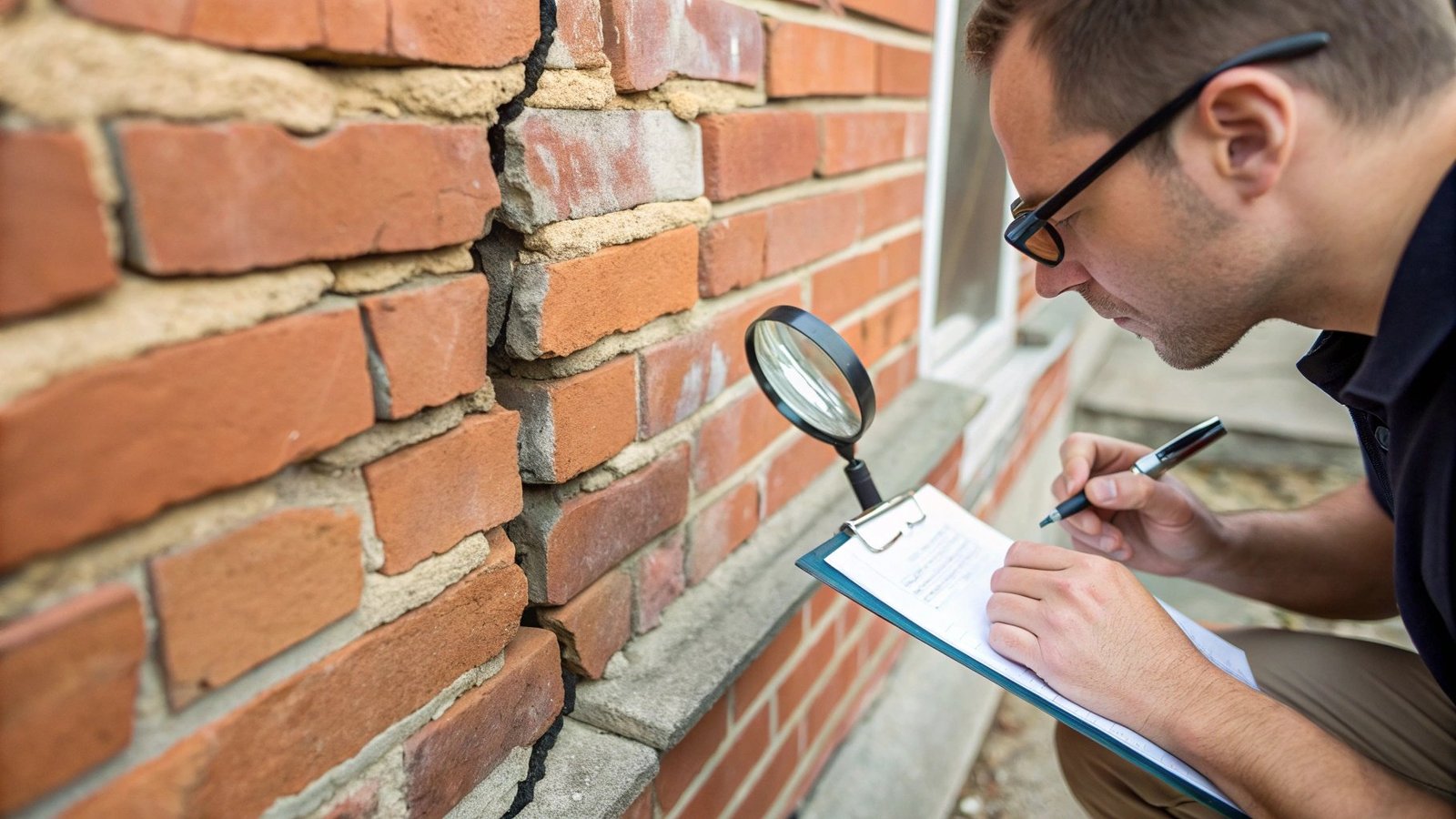
Flashing failures around chimneys and abutments are among the most common roof defects identified by Exeter surveyors. Lead flashings crack, split, or pull away from walls as buildings move and materials age. Mortar fillets used as cheap alternatives to lead inevitably crack and fail. Inadequate upstands where flashings don't extend sufficiently into walls allow water penetration behind the flashing. These problems require specialist lead work to remedy properly, and costs can be significant when multiple chimneys or extensive abutments need re-flashing.
Roof Survey Costs and Value
Dedicated roof surveys as standalone services typically cost between two hundred and five hundred pounds depending on property size, roof complexity, and accessibility. However, comprehensive roof inspection is included in standard RICS Building Surveys and HomeBuyer Reports, making these full property surveys excellent value for money when purchasing property.
The investment in professional roof surveys represents exceptional value when you consider potential costs of unidentified problems. Major re-roofing projects cost fifteen thousand to thirty thousand pounds or more depending on property size and roof complexity. Even moderate repairs to flashings, valleys, or chimneys run into thousands. Identifying these issues before purchase provides crucial negotiating leverage, typically recovering survey costs many times over through price reductions or required remediation by sellers.
When to Commission a Roof Survey
Several situations warrant commissioning professional roof surveys from experienced Exeter surveyors who can provide the detailed assessment necessary for informed decision-making.
Pre-Purchase Inspection
Anyone purchasing property in Devon should commission a comprehensive building survey that includes thorough roof inspection. This is particularly crucial for older properties where roofing may be approaching the end of its service life, properties with complex roof configurations including multiple valleys, dormers, or roof lights, and properties where visual inspection from ground level suggests potential problems.
Suspected Defects
If you notice signs of roof problems including interior ceiling staining or water penetration, slipped or missing slates or tiles visible from ground level, sagging or distortion in roof lines, or daylight visible through roof spaces, commission immediate professional inspection to assess the extent of problems and determine appropriate remediation. Early intervention typically prevents escalation into more serious and expensive damage.
Planned Maintenance
Regular roof surveys every five to ten years help property owners maintain their roofs proactively, identifying minor issues before they become major problems. This planned maintenance approach extends roof lifespan and prevents unexpected expensive failures. Many property owners find that modest routine expenditure on maintenance and minor repairs is far more cost-effective than dealing with major problems that develop when roofs are neglected.
Frequently Asked Questions
How often should roofs be surveyed?
Exeter surveyors recommend professional roof inspection every five to ten years as part of planned property maintenance, with additional surveys following severe weather events or if defects are suspected. Properties with older roofs approaching the end of their typical lifespan should be inspected more frequently, perhaps every three to five years, to monitor condition and plan for eventual replacement.
Can surveyors walk on roofs during inspections?
Surveyors access roofs physically only when safe and appropriate. Modern concrete or clay tile roofs can typically be walked on carefully using roof ladders and proper equipment. However, natural slate roofs, particularly older ones approaching the end of their lifespan, may be too fragile for safe access. Steeply pitched roofs, wet conditions, or icy weather also prevent safe physical access. In these situations, surveyors use binoculars, drones, or other remote inspection techniques.
What's the typical lifespan of different roofing materials?
Natural slate roofs can last eighty to one hundred-plus years with proper maintenance. Clay tiles typically provide fifty to sixty years of service. Concrete tiles last forty to sixty years, though some batches from certain periods may fail prematurely. Flat felt roofs need replacement every fifteen to twenty years, while modern single-ply systems, GRP, or EPDM may last twenty-five to thirty years or more. Professional Exeter surveyors assess remaining service life based on observed condition and material characteristics.
What are signs of roof problems I can spot myself?
Warning signs include interior ceiling staining indicating water penetration, slipped, cracked, or missing slates or tiles visible from ground level, sagging roof lines or distortion, daylight visible through roof spaces, excessive moss or vegetation growth, damaged or deteriorated flashings around chimneys, and gutters overflowing during rainfall. If you notice any of these signs, commission professional inspection from qualified Exeter surveyors promptly.
How much does re-roofing typically cost?
Complete re-roofing costs vary enormously depending on property size, roof complexity, chosen materials, and access considerations. As a rough guide, expect fifteen to twenty-five thousand pounds for a typical three-bedroom semi-detached property with straightforward roof configuration. Larger properties, complex roofs with multiple valleys and chimneys, or premium materials increase costs substantially. Flat roof replacement for extensions typically costs three to six thousand pounds depending on size and chosen materials.
Should I get a roof survey before buying an older property?
Absolutely. Older properties often have roofs approaching the end of their service life, and re-roofing represents one of the most expensive maintenance requirements homeowners face. Comprehensive pre-purchase surveys from experienced Exeter surveyors identify roof condition and likely replacement timescales, allowing you to factor these substantial costs into your purchasing decision and budget appropriately. This information also provides powerful negotiating leverage when making or renegotiating offers.
Protect Your Property with Professional Roof Surveys
Your roof represents one of your property's most critical elements, and thorough professional inspection is essential whether you're purchasing property or maintaining your existing home. Our experienced team of chartered Exeter surveyors provides comprehensive roof surveys using the latest inspection techniques and equipment, delivering the detailed information you need to make informed decisions and protect your valuable investment.
Don't leave roof condition to chance—commission professional survey services from qualified surveyors who understand Devon properties and have the expertise to identify defects before they become expensive problems. Contact our expert team today to arrange your comprehensive roof survey.