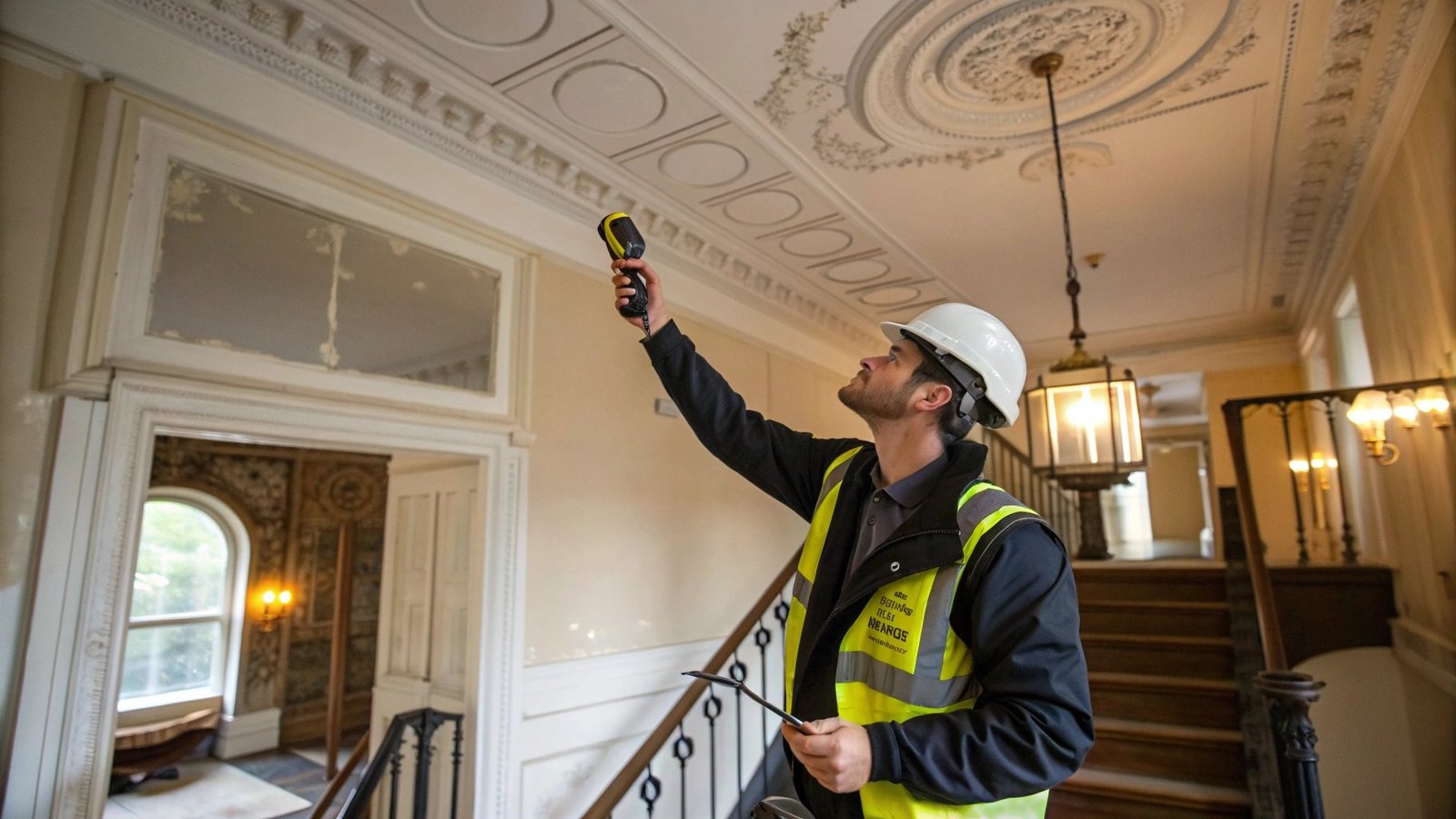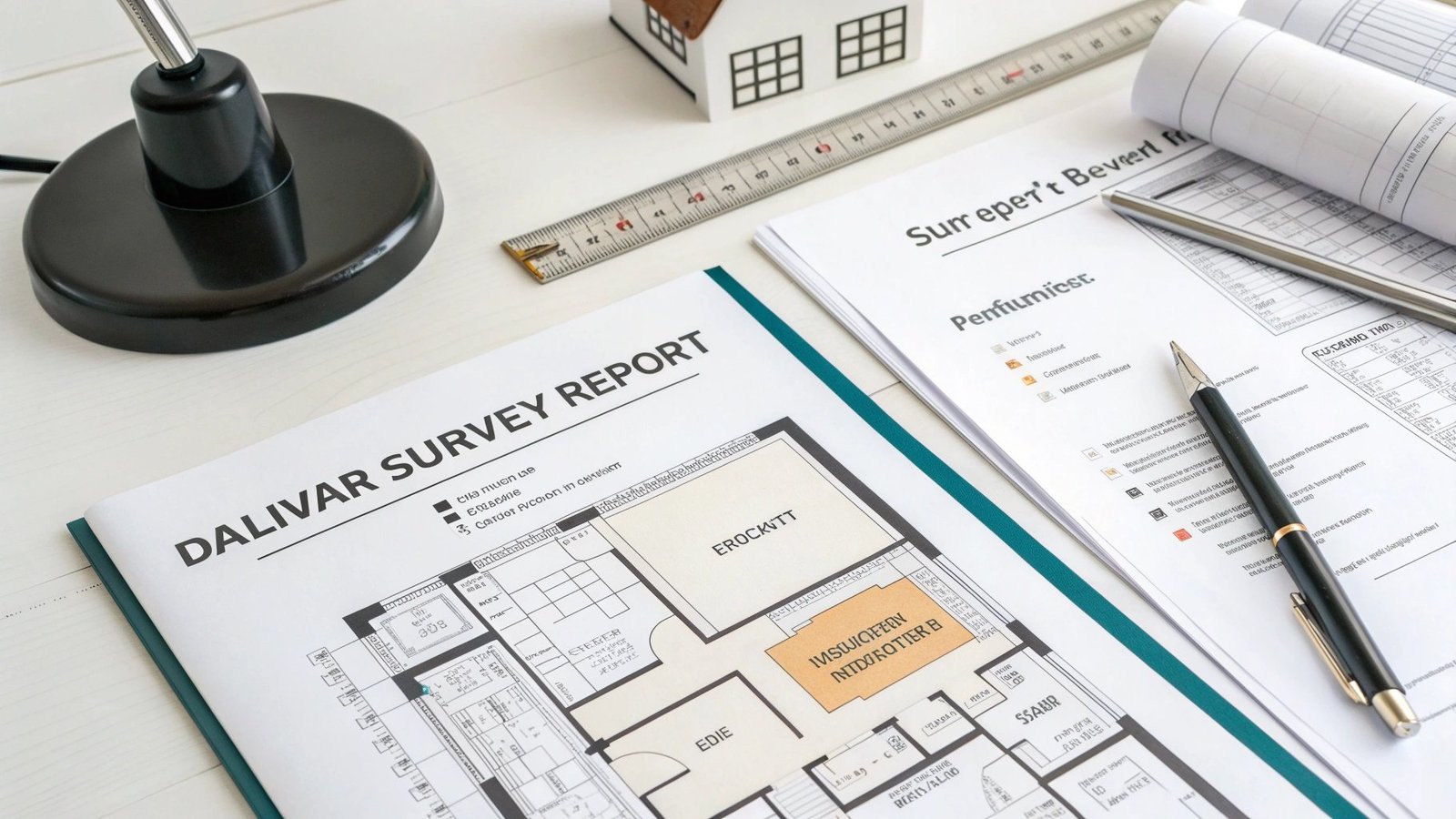
When purchasing property in Devon, Exeter surveyors consistently recommend obtaining a RICS HomeBuyer Report as an essential part of your due diligence process. This mid-level survey option strikes a balance between cost and comprehensiveness, providing property buyers with crucial information about condition, defects, and value without the extensive detail of a full Building Survey. Understanding what a HomeBuyer Report includes, what it doesn't cover, and whether it's the right choice for your property is essential for making an informed purchasing decision.
The RICS HomeBuyer Report is the most popular survey option for residential property purchases in the United Kingdom, with thousands commissioned each month by buyers seeking professional assessment of property condition. Developed by the Royal Institution of Chartered Surveyors, this standardized survey format provides consistent, reliable information presented in an accessible format that non-technical readers can understand easily. For properties built after eighteen eighty that are in reasonable condition and constructed using conventional methods, the HomeBuyer Report typically provides all the information buyers need to proceed confidently with their purchase.
What Is a RICS HomeBuyer Report?
The RICS HomeBuyer Report is a standardized survey format conducted by RICS-qualified chartered surveyors who assess property condition, identify defects, and provide guidance on necessary repairs and maintenance. Unlike basic mortgage valuations, which focus solely on ensuring the property provides adequate security for the lender, HomeBuyer Reports are commissioned by buyers to inform their purchasing decision and provide detailed condition information about the property they're considering purchasing.
This survey level sits between basic mortgage valuations and comprehensive Level 3 Building Surveys in terms of scope and cost. Exeter surveyors conduct HomeBuyer Reports following strict RICS guidelines that ensure consistency and quality across the profession. The report uses a traffic light rating system—red, amber, and green—to highlight the urgency and seriousness of defects, making it easy for buyers to identify which issues require immediate attention and which represent routine maintenance considerations.
Professional surveyors spend typically two to four hours on-site conducting the inspection, depending on property size and complexity. They examine accessible areas of the property without moving furniture, lifting carpets, or gaining access to concealed spaces. This non-invasive approach keeps survey costs reasonable while still providing substantial information about property condition, structural integrity, and visible defects that might affect value or require remediation.
Who Should Choose a RICS HomeBuyer Report?
HomeBuyer Reports are ideally suited to certain property types and buyer circumstances. Understanding whether this survey level meets your needs depends on several factors including property age, condition, construction type, and your own risk tolerance. Exeter surveyors generally recommend HomeBuyer Reports for properties that meet specific criteria and buyer profiles.
Suitable Property Types
The RICS HomeBuyer Report works best for conventional properties built after approximately eighteen eighty using standard construction methods. This includes Victorian and Edwardian terraced houses, semi-detached properties from the nineteen thirties onward, post-war houses and flats, and modern properties up to about ten years old. These properties typically use familiar construction techniques including cavity walls, timber floor and roof structures, and modern services, allowing surveyors to assess condition effectively through visual inspection of accessible areas.
Properties that appear to be in reasonable condition with no obvious major defects are good candidates for HomeBuyer Reports. If you're viewing a property and notice significant structural cracking, extensive dampness, obvious movement, or other serious concerns, you should consider upgrading to a more comprehensive Building Survey instead. The HomeBuyer format, while thorough within its scope, is not designed for properties requiring detailed investigation of significant defects or complex structural issues.
Standard construction properties—those built using conventional methods and materials typical for their era—benefit from the HomeBuyer approach because surveyors can draw on extensive experience with similar properties to assess condition and identify common defects. Modern building regulations and standardized construction practices mean that properties built in the last century generally follow predictable patterns, making assessment more straightforward than with older or unusual buildings.
When to Choose a Level 3 Building Survey Instead
While HomeBuyer Reports suit many properties, certain situations demand the more comprehensive investigation provided by RICS Level 3 Building Surveys. Exeter surveyors recommend upgrading to a Building Survey for properties built before eighteen fifty, listed buildings or those in conservation areas, properties constructed using non-standard materials such as cob, timber frame, or steel frame, properties that have been significantly altered or extended, and properties showing signs of serious defects including major structural movement, extensive damp problems, or significant deterioration.
If you're planning major renovation works, the additional detail provided in a Building Survey helps you understand existing construction and plan alterations appropriately. Similarly, if you have specific concerns about certain aspects of a property—perhaps a flat roof, a large extension, or unusual cracking patterns—the more thorough investigation approach of a Building Survey provides the detailed assessment needed to understand these issues properly and plan remediation if required.
Buyer risk tolerance also plays a role in survey selection. Some buyers prefer the comprehensive peace of mind provided by Building Surveys even when purchasing relatively modern, conventional properties. While this represents additional cost, it provides maximum information and protection, which some buyers value highly. Professional Exeter surveyors can advise on the most appropriate survey level based on property characteristics and your individual circumstances.
What Does a RICS HomeBuyer Report Include?
Understanding exactly what information you'll receive in your HomeBuyer Report helps you appreciate its value and limitations. The report follows a standardized RICS format consisting of three main sections plus supporting information, photographs, and recommendations. This consistent structure ensures that all RICS HomeBuyer Reports provide comparable information regardless of which surveyor or firm conducts the inspection.
Section A: Description of the Property
The first section provides factual information about the property including accommodation, construction, services, grounds, location, and any other relevant factors. This objective description establishes the context for the condition assessment that follows. Information typically includes property type and age, construction methods and materials, number of rooms and layout, services present including heating, plumbing, and electrics, outdoor spaces and outbuildings, and any apparent alterations or extensions.
This section also notes any limitations of the inspection—areas the surveyor could not access, restrictions due to weather conditions, or furniture and belongings that prevented full examination of certain elements. Understanding these limitations helps you interpret the report findings appropriately and identify whether additional investigation might be warranted in areas the surveyor couldn't inspect thoroughly.
Section B: Overall Assessment and Summary of Condition
Section B provides the surveyor's overall opinion of the property's condition using the traffic light rating system. Each element of the building—roofs, chimneys, walls, windows, floors, services, grounds—receives a condition rating of one, two, or three, corresponding to green, amber, or red priorities:
Condition Rating 1 (Green): No repair is currently needed. The property must be maintained in the normal way, but no significant defects are apparent that require remediation beyond routine maintenance.
Condition Rating 2 (Amber): Defects that need repairing or replacing but are not considered to be either serious or urgent. The property must be maintained in the normal way, and these repairs should be carried out to prevent deterioration and ensure the property remains in satisfactory condition. Many properties show some elements rated two, representing maintenance requirements that buyers should factor into their budgeting.
Condition Rating 3 (Red): Defects that are serious and/or need to be repaired, replaced or investigated urgently. Failure to address these issues may lead to significant deterioration, safety concerns, or substantial repair costs. Red ratings require immediate attention and often provide grounds for price negotiation or requesting repairs before completion.
Exeter surveyors use professional judgment to assign these ratings based on the observed condition, the urgency of required work, and the likely consequences of not addressing defects promptly. This summary section allows you to quickly understand the key issues affecting the property and prioritize areas requiring further attention or specialist investigation.
Section C: Detailed Assessment
The main body of the report provides detailed commentary on every accessible element of the property. This section expands on the ratings given in Section B, explaining the reasoning behind each assessment and describing the condition of individual building elements. Typical coverage includes:
External Features: Chimneys, roofs, rainwater pipes and gutters, main walls, windows and doors, conservatories and porches, other joinery and finishes, external decorations. The surveyor describes materials, condition, visible defects, and recommended action for each element.
Internal Features: Roofs—internal areas including roof structure, ceilings, floors, walls, fireplaces and chimney breasts, built-in fittings, internal joinery and finishes, internal decorations. Each element is examined for defects, deterioration, and maintenance needs.
Services: Electricity, gas, water, heating and hot water, drainage, fire safety, smoke and carbon monoxide alarms. Surveyors note the age and apparent condition of service installations but don't test systems comprehensively. If concerns are identified, recommendations for specialist reports by qualified electricians, heating engineers, or drainage contractors may be made.
Grounds and Outbuildings: Garden areas, drives and paths, boundary walls and fences, outbuildings, garages. The surveyor assesses condition and identifies defects requiring attention.
Throughout this section, the surveyor provides cost indicators for significant repairs using bands such as "under £500," "£500-£2,000," "£2,000-£5,000," and so on. These estimates help buyers understand likely expenditure and factor repair costs into their purchasing decision. Photographs illustrating key defects or areas of concern are included throughout the report to support the written descriptions and help buyers visualize the issues identified.
Valuation and Market Considerations
An important component of RICS HomeBuyer Reports is the market valuation and related financial assessments. Many buyers choose the HomeBuyer Report Service (Level 2 with Valuation) specifically because it includes a professional valuation opinion alongside the condition assessment. This dual benefit provides both technical property information and financial guidance in a single report.
Market Valuation
When you commission a HomeBuyer Report with Valuation, the surveyor provides their opinion of the property's current market value—the price it would achieve if sold on the open market under normal conditions. This independent valuation from experienced Exeter surveyors helps you assess whether the asking price is reasonable and whether you're paying fair market value for the property.
This valuation is particularly valuable if defects are identified during the survey. Armed with detailed condition information and an independent market value assessment, buyers can negotiate price reductions to reflect necessary repairs or maintenance requirements. Many successful price negotiations result from HomeBuyer Reports that identify defects requiring remediation, with buyers using the surveyor's cost estimates to request appropriate reductions.
Insurance Reinstatement Value
The report also provides the estimated cost of rebuilding the property if it were completely destroyed—the buildings insurance reinstatement value. This figure is typically significantly higher than market value because it represents the full cost of demolition, clearance, professional fees, and reconstruction, rather than the price you'd pay to purchase the property. Ensuring your buildings insurance covers the correct reinstatement amount is essential, and the surveyor's assessment provides the figure you need for adequate insurance protection.
Limitations of RICS HomeBuyer Reports
While HomeBuyer Reports provide substantial information, understanding their limitations ensures you have realistic expectations and don't assume the survey covers aspects that fall outside its scope. Knowing what isn't included helps you determine whether additional specialist reports or investigations might be warranted for your specific property.
Non-Invasive Inspection
HomeBuyer Report inspections are non-invasive, meaning surveyors don't move furniture, lift carpets or floor coverings, force access to locked areas, go into roof spaces if they're difficult or dangerous to access, or dismantle any part of the structure. This approach keeps survey costs manageable but does mean some areas may not be inspected fully. If significant concerns exist about concealed areas—perhaps damp beneath carpets, roof timber condition, or under-floor drainage—the surveyor may recommend further investigation by specialists who can access these areas more thoroughly.
Services Testing
While surveyors assess the apparent age and condition of services including electrics, heating, plumbing, and drainage, they don't conduct detailed testing of these systems. A qualified electrician conducts electrical testing, heating engineers test heating systems, and drainage specialists perform CCTV surveys of below-ground drainage. If service installations appear old or defective, the surveyor will recommend specialist reports, but the HomeBuyer Report itself doesn't provide the detailed technical assessment that qualified tradespeople would deliver.
Environmental and Legal Issues
HomeBuyer Reports don't address certain environmental and legal considerations that might affect the property. Issues such as flood risk, ground contamination, mining or subsidence history, planning permission compliance, building regulation approval for alterations, rights of way, boundary disputes, and restrictive covenants fall outside the surveyor's scope. Your solicitor should investigate these legal and environmental factors as part of the conveyancing process, with additional specialist reports commissioned if concerns arise.
How Much Does a RICS HomeBuyer Report Cost?
Understanding survey costs helps you budget appropriately and appreciate the value this investment provides. RICS HomeBuyer Report fees vary depending on several factors including property value, size, location, accessibility, and complexity. Exeter surveyors typically charge between four hundred and seven hundred pounds for HomeBuyer Reports on standard properties, with larger or more complex properties costing more.
The HomeBuyer Report with Valuation (often called Level 2 Survey) typically costs fifty to one hundred pounds more than the HomeBuyer Report without valuation. Given that this modest additional cost provides you with an independent market valuation alongside the condition assessment, most buyers consider it excellent value and choose the valuation option.
While several hundred pounds might seem like a significant expense when you're already facing substantial property purchase costs, the investment is minimal compared to the protection it provides. Identifying serious defects before legal commitment can save tens of thousands of pounds by allowing you to negotiate price reductions, request repairs, or withdraw from the purchase if problems are too severe. Even for properties where no significant defects are found, the peace of mind of knowing you've received professional assessment of property condition is valuable insurance against costly post-purchase surprises.
How to Commission a RICS HomeBuyer Report
Once you've decided a HomeBuyer Report is appropriate for your property purchase, understanding the commissioning process ensures everything proceeds smoothly and your survey is completed in time to inform your purchasing decision without delaying your transaction unnecessarily.
Timing Considerations
Commission your survey as early as possible in the purchase process, ideally immediately after your offer is accepted. Most Exeter surveyors can conduct inspections within a few days of instruction, and reports are typically delivered within forty-eight to seventy-two hours after the site visit. This quick turnaround means you'll receive crucial property information while there's still time to negotiate, request repairs, or reconsider your purchase if serious problems are identified.
Don't wait until just before exchange of contracts to commission your survey. By that stage, you've invested substantial time and expense in legal work, and pulling out becomes psychologically and financially difficult even if serious problems are identified. Early survey instruction protects you by providing critical information when you still have maximum flexibility to negotiate or withdraw without significant penalty.
Choosing Your Surveyor
Select a RICS-qualified chartered surveyor with experience in your local area and the type of property you're purchasing. Local knowledge is valuable because experienced Exeter surveyors understand common defects affecting Devon properties, typical construction methods for different eras and locations, and realistic local costs for repairs and maintenance. Look for surveyors who are members of RICS (Royal Institution of Chartered Surveyors) and ideally hold AssocRICS or MRICS qualifications, have professional indemnity insurance, provide clear terms of engagement, and communicate clearly throughout the process.
Don't choose your surveyor based solely on price. The cheapest option may cut corners or provide less thorough investigation and reporting than established firms charging reasonable professional fees. Remember that this survey represents crucial due diligence on potentially the most expensive purchase you'll ever make—saving fifty or one hundred pounds on survey fees is false economy if it means receiving inferior service or missing significant defects.
Providing Property Information
When instructing your surveyor, provide comprehensive property information including the full address, the estate agent's contact details, access arrangements for the inspection, any specific concerns you have about particular aspects of the property, and details of any questions you'd like the surveyor to address. The more information you provide, the better prepared the surveyor will be and the more focused the inspection can be on areas of concern.
Interpreting Your HomeBuyer Report
When you receive your completed HomeBuyer Report, understanding how to interpret the findings and act on the recommendations ensures you extract maximum value from the survey. While reports use accessible language and the traffic light system makes condition ratings clear, some buyers find the amount of information overwhelming initially.
Focus on Priority Issues First
Start by reviewing Section B—the overall assessment and summary of condition ratings. Identify any Condition Rating 3 (red) items first, as these represent serious or urgent defects requiring immediate attention. These issues typically justify price negotiation, requests for remediation before completion, or in severe cases, reconsidering the purchase entirely.
Next, review Condition Rating 2 (amber) items, which represent repairs or replacements needed but not urgently. Factor the estimated costs of addressing these items into your budgeting and long-term maintenance planning. Many of these amber ratings reflect normal wear and maintenance requirements rather than serious defects, but understanding what work will be needed helps you plan expenditure appropriately.
Understanding Context
Remember that all properties, particularly older ones, will show some defects and maintenance requirements. Expecting perfection is unrealistic. What matters is understanding the significance of defects, their likely costs to remedy, and whether they represent serious ongoing problems or routine maintenance needs. Experienced Exeter surveyors provide this context in their commentary, explaining which defects require urgent action and which are acceptable given the property's age and type.
Follow Up Recommendations
If your surveyor recommends further investigation by specialists—perhaps an electrical condition report, heating system service, or CCTV drainage survey—take these recommendations seriously. Surveyors make such recommendations when they identify concerns that require specialist expertise or equipment to assess properly. Commission these additional reports promptly so you have complete information before proceeding with your purchase.
Using Your Report for Negotiation
One of the most practical benefits of HomeBuyer Reports is the negotiating leverage they provide when defects are identified. Armed with detailed professional assessment of property condition and realistic cost estimates for remediation, buyers can approach sellers from an informed position when requesting price reductions or repairs.
Effective Negotiation Strategies
When negotiating based on survey findings, focus on significant defects rather than minor maintenance items. Sellers typically recognize that serious structural problems, necessary re-roofing, or essential services replacement justify price adjustment, whereas requesting reductions for minor cosmetic issues often encounters resistance. Present your case clearly using the surveyor's findings and cost estimates, and be prepared to compromise on less significant items while standing firm on major defects.
Consider whether you prefer price reduction or completed repairs before purchase. Sometimes sellers prefer to arrange remediation themselves rather than reduce the asking price, while in other situations immediate price reduction is more practical. Think about which outcome best serves your interests, considering factors such as your available capital, your ability to oversee repair works, and your confidence in the seller's chosen contractors.
Frequently Asked Questions
What's the difference between a HomeBuyer Report and a Building Survey?
HomeBuyer Reports (RICS Level 2) suit conventional properties in reasonable condition, providing standardized condition assessment of visible, accessible elements. Building Surveys (RICS Level 3) are more comprehensive, involving detailed investigation suitable for older, unusual, or defective properties. Exeter surveyors recommend Building Surveys for properties pre-eighteen fifty, non-standard construction, properties with significant defects, or when buyers want maximum detail.
Does a RICS HomeBuyer Report include a valuation?
The RICS HomeBuyer Report Service (Level 2) comes in two versions: with or without valuation. Most buyers choose the valuation option, which includes the surveyor's opinion of market value and insurance reinstatement cost alongside the condition assessment. This typically costs fifty to one hundred pounds more than the report without valuation but provides valuable additional information for modest extra cost.
How long does a HomeBuyer Report take to complete?
Exeter surveyors typically conduct the on-site inspection within a few days of instruction, depending on availability and access arrangements. The inspection itself takes two to four hours depending on property size and complexity. Reports are usually delivered within forty-eight to seventy-two hours after the site visit, giving you comprehensive property information within one week of instruction in most cases.
Can I attend the survey inspection?
While buyers often want to attend inspections, most surveyors prefer to work alone to maintain focus and ensure thorough examination without distraction. Some surveyors offer a brief discussion at the end of the inspection to highlight key findings, but detailed discussion should wait for the written report. If you have specific concerns about certain aspects of the property, communicate these to your surveyor beforehand so they can pay particular attention to those areas during inspection.
What if the survey identifies serious defects?
If serious defects are found, you have several options: negotiate price reduction reflecting remediation costs, request that sellers complete repairs before completion, commission specialist reports for detailed investigation of specific problems, or withdraw from the purchase if defects are too severe. Your surveyor's cost estimates and priority ratings help you assess whether issues are manageable within your budget or represent deal-breakers justifying withdrawal.
Is a mortgage valuation enough, or do I need a HomeBuyer Report?
Mortgage valuations serve the lender's interests, ensuring the property provides adequate security for the loan. They're not designed to inform your purchasing decision or provide detailed condition information. Even when your mortgage lender arranges a valuation, commissioning your own RICS HomeBuyer Report from independent Exeter surveyors is strongly recommended to protect your interests and ensure you understand what you're buying.
Protect Your Property Investment with Professional Survey Services
Understanding RICS HomeBuyer Reports empowers you to make informed decisions about survey selection and use the information provided effectively during your property purchase. Our experienced team of chartered Exeter surveyors delivers comprehensive HomeBuyer Reports that provide the detailed condition assessment and professional valuation opinions you need for confident purchasing decisions throughout Devon.
Commission your RICS HomeBuyer Report today and ensure you're fully informed about property condition, defects, and value before committing to what may be your most significant financial investment. Contact our expert surveying team to discuss your requirements and arrange your survey inspection.