Damp is the most common defect identified by Exeter surveyors during property inspections throughout Devon. The county's high rainfall, coastal exposure, and stock of older properties create perfect conditions for moisture-related problems that affect approximately seventy percent of properties surveyed. Understanding the different types of damp, their causes, identification methods, and effective treatments is essential for anyone purchasing property in Devon or dealing with dampness in existing homes.
Devon's climate presents unique challenges for property owners. Average annual rainfall exceeds one thousand millimetres in many areas, with coastal properties facing additional exposure to wind-driven rain and salt-laden air. Traditional construction methods used in older Devon properties, while characterful and durable, weren't designed for modern expectations of dryness and thermal comfort. Many historic buildings were constructed to breathe naturally, allowing moisture movement through lime mortars and renders that modern cement-based materials prevent, creating trapped dampness and accelerated deterioration.
The Three Main Types of Damp
Professional Exeter surveyors categorize damp problems into three main types, each with distinct causes, characteristics, and treatment approaches. Accurate diagnosis is crucial because applying inappropriate treatments wastes money and may worsen problems. Understanding these damp types helps property buyers and owners recognize issues and ensure correct remediation.
Rising Damp
Rising damp occurs when groundwater moves upward through porous building materials by capillary action, similar to how liquid moves up through a sponge or paper towel. This phenomenon affects properties without effective damp-proof courses or where existing DPCs have failed or been bridged. The characteristic signs include a horizontal tide mark of dampness and staining on internal walls, typically extending up to one metre above ground level; salt deposits and efflorescence appearing as white crystalline powder; deteriorated plaster that's soft, crumbly, or blown; damaged skirting boards showing rot or decay; peeling wallpaper and damaged decorations; and musty odours from damp walls.
However, experienced Exeter surveyors know that genuine rising damp is less common than often diagnosed by damp-proofing companies with commercial interests in selling treatments. Many cases attributed to rising damp are actually caused by other issues including bridged DPCs where external ground levels have been raised above the damp-proof course, defective pointing allowing rain penetration, splashback from hard surfaces adjacent to walls, leaking gutters and downpipes saturating walls at ground level, or internal plumbing leaks within walls. Proper diagnosis using moisture meters, salt analysis, and careful inspection is essential before committing to expensive rising damp treatments.
Penetrating Damp
Penetrating damp describes moisture entering buildings through walls, roofs, or around openings, typically during rainfall or when walls remain wet after storms. Unlike rising damp which affects lower wall areas, penetrating damp can occur at any height depending on where water enters. Devon's high rainfall and exposure make penetrating damp extremely common, affecting both modern and traditional properties. Common causes include defective roof coverings allowing water ingress, failed flashings around chimneys and abutments, blocked or leaking gutters and downpipes, cracked or hollow render trapping moisture, defective pointing allowing rain penetration, failed seals around windows and doors, and solid walls without cavities allowing direct moisture transmission.
Penetrating damp typically worsens during wet weather and may improve during dry periods, unlike rising damp which remains relatively constant. Staining patterns often point toward the source—damp below windows suggests defective seals or sills, damp around chimneys indicates flashing problems, and general wall dampness may result from render or pointing defects. Professional Exeter surveyors use moisture meters and thermal imaging to trace moisture sources and recommend appropriate remediation targeting the cause rather than just treating symptoms.
Condensation and Mould Growth
Condensation occurs when warm, moisture-laden air contacts cold surfaces, causing water vapour to condense into liquid water. This is increasingly common in modern homes where improved insulation and draught-proofing reduce ventilation, trapping moisture generated by daily activities. A typical family produces approximately ten to fifteen litres of moisture daily through breathing, cooking, bathing, and clothes drying. When this moisture cannot escape through ventilation, it condenses on cold surfaces including windows, external walls, unheated rooms, and cold corners where thermal bridging occurs.
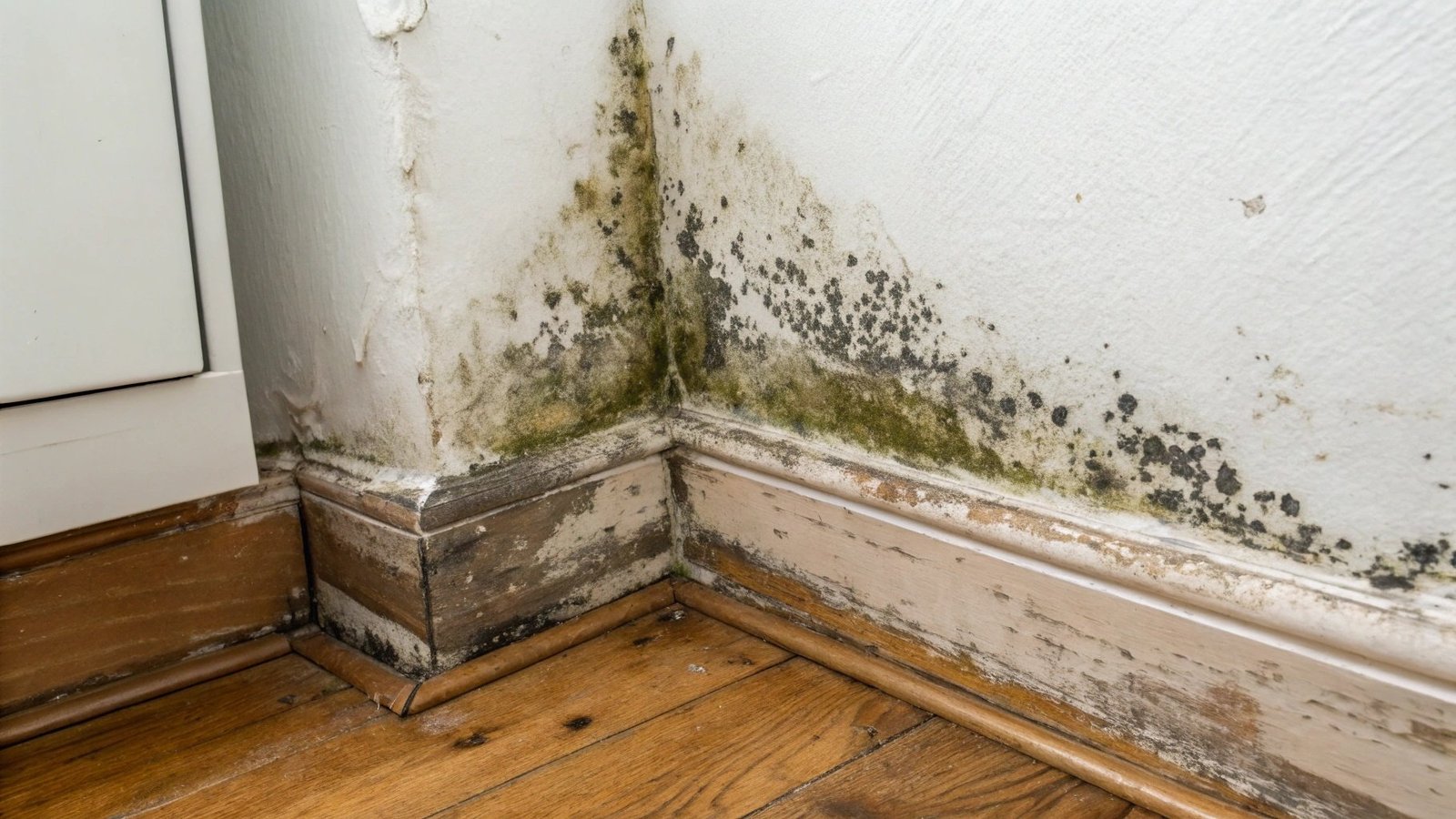
Chronic condensation leads to black mould growth, which is unsightly, damaging to decorations and furnishings, and potentially harmful to health, particularly for those with respiratory conditions or compromised immune systems. Signs of condensation problems include streaming windows with water pooling on sills, black mould growth on walls, ceilings, and furnishings, musty odours in poorly ventilated rooms, rotting window frames from constant moisture exposure, and damp patches in corners and behind furniture. Unlike rising or penetrating damp, condensation typically affects all rooms rather than specific areas, and staining appears as black mould rather than brown water marks.
Treatment focuses on reducing moisture generation, improving ventilation, and increasing surface temperatures through better heating and insulation. Simply treating mould growth without addressing underlying condensation causes provides only temporary cosmetic improvement before problems return.
How Exeter Surveyors Identify Damp
Professional damp diagnosis requires expertise, experience, and proper equipment. Chartered surveyors use multiple diagnostic techniques to identify damp accurately and determine its causes, ensuring appropriate treatment recommendations rather than expensive unnecessary work.
Visual Inspection
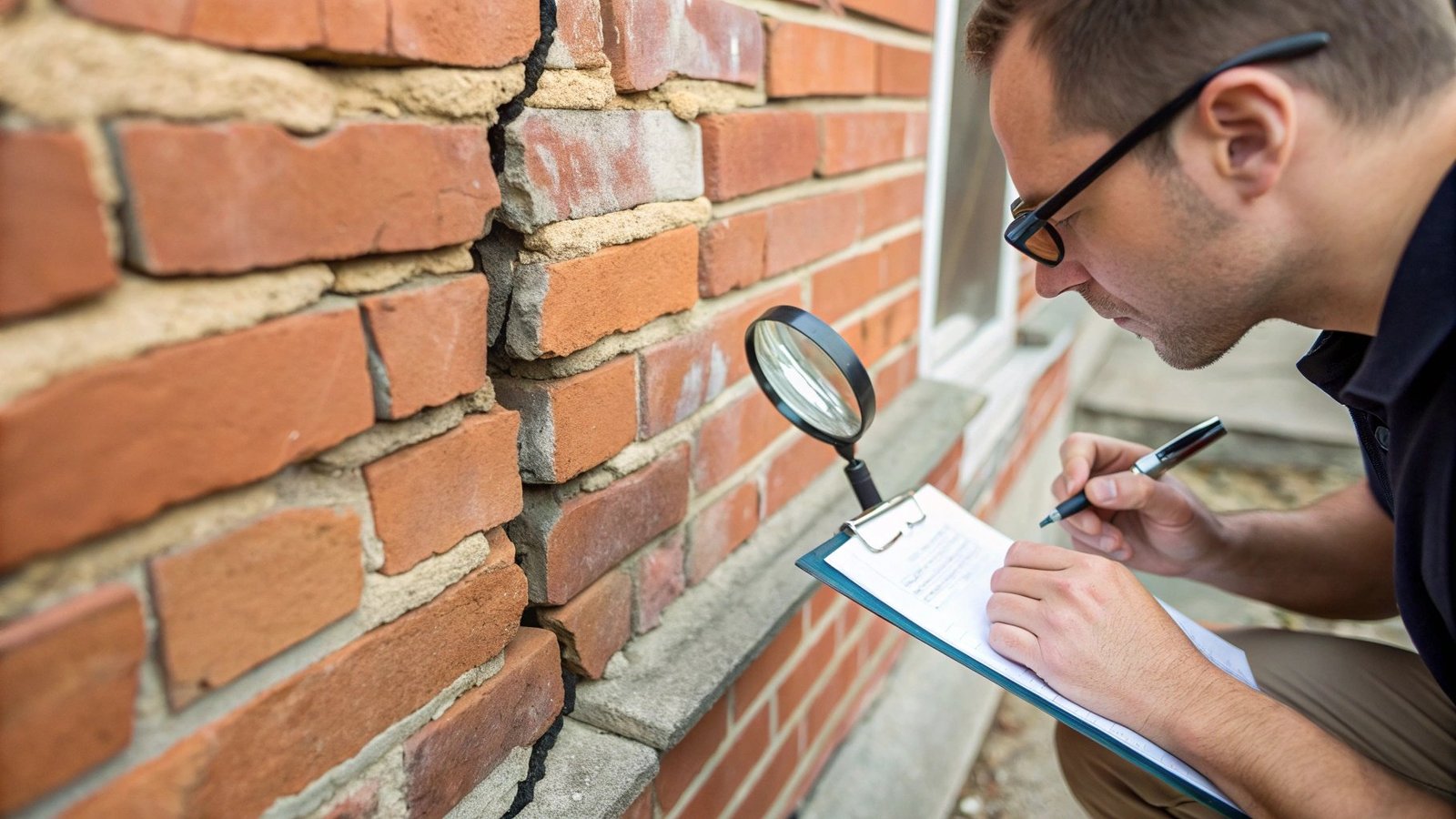
Experienced surveyors recognize characteristic signs of different damp types through careful visual examination. They assess staining patterns, salt deposits, plaster condition, timber decay, and environmental factors affecting moisture levels. External inspection identifies potential moisture sources including defective rainwater disposal, render problems, raised ground levels, and other issues allowing water entry. This contextual assessment is crucial for accurate diagnosis—damp rarely has single causes, and effective treatment requires addressing all contributing factors.
Moisture Meter Testing
Electronic moisture meters measure moisture content in building materials, providing objective data to support visual assessment. Two main types exist: resistive meters that measure electrical resistance between two probes inserted into or pressed against materials, and capacitance meters that measure moisture in a volume of material beneath a sensor plate without penetration. Exeter surveyors use both types to assess moisture distribution patterns that indicate whether dampness originates from rising damp, penetrating damp, or condensation.
However, moisture meters require careful interpretation. High readings don't automatically indicate rising damp—walls can be wet from numerous causes. Salt contamination from historic rising damp can produce elevated readings even in currently dry walls. Surveyors consider multiple factors including reading patterns, height distribution, weather conditions, and other evidence before reaching diagnostic conclusions.
Thermal Imaging
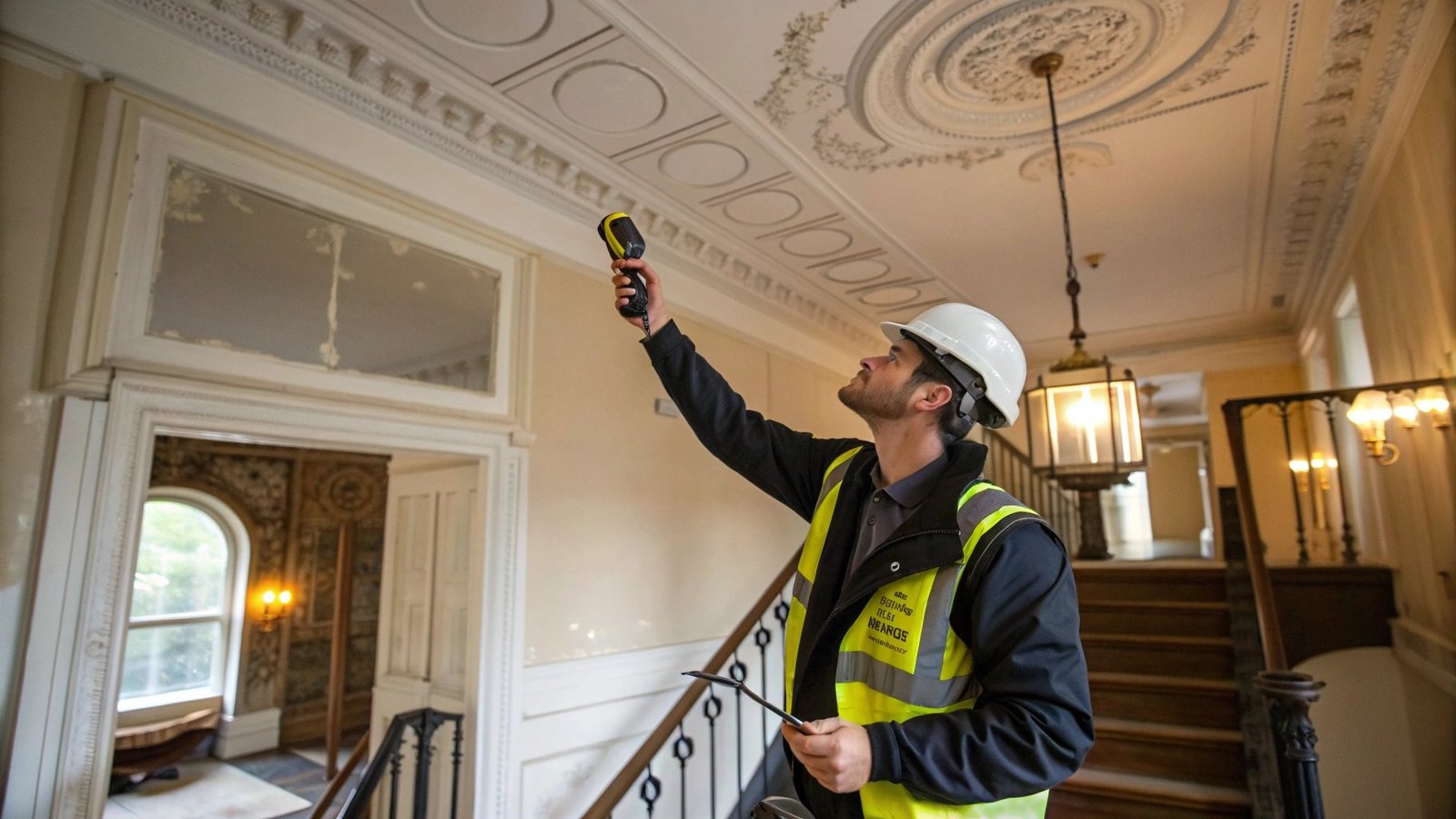
Thermal imaging cameras detect temperature variations indicating moisture presence, as damp materials have different thermal properties than dry materials due to evaporative cooling and thermal mass differences. This technology allows surveyors to identify hidden moisture behind plaster, beneath floor coverings, or within wall cavities without destructive investigation. Thermal imaging is particularly valuable for tracing moisture sources, assessing extent of damp before visible staining appears, and monitoring treatment effectiveness after remediation.
Salt Analysis
Chemical analysis of salts present in damp walls helps determine whether moisture is rising damp (characterized by nitrates and chlorides from groundwater) or hygroscopic salts from historic rising damp that absorb atmospheric moisture even after the original damp source has been eliminated. This distinction is important because hygroscopic salt contamination requires different treatment than active rising damp. Professional laboratories analyze plaster samples to identify salt types and concentrations, guiding appropriate treatment approaches.
Effective Damp Treatment Solutions
Successful damp remediation requires accurate diagnosis followed by appropriate treatment targeting actual causes rather than just symptoms. Exeter surveyors recommend evidence-based solutions proven effective for specific damp problems rather than blanket treatments applied regardless of circumstances.
Treating Rising Damp
When genuine rising damp is confirmed, chemical damp-proof course injection is the most common treatment. This involves drilling holes into mortar beds at regular intervals around affected walls and injecting silicone-based water-repellent chemicals that form a barrier preventing capillary moisture rise. Following injection, walls are allowed to dry over several months before replastering with salt-resistant plaster that won't deteriorate from residual salt contamination. However, before committing to chemical DPC injection, surveyors recommend eliminating other moisture sources including raised external ground levels, bridged cavities, defective pointing, or splashback issues that may be the actual problem rather than capillary rise.
Physical damp-proof courses can be retrospectively installed by cutting through walls and inserting impermeable membranes, but this is expensive, disruptive, and rarely necessary when chemical injection proves effective. For solid stone walls where chemical injection is less effective, tanking systems that line internal walls with impermeable membranes prevent moisture reaching interior surfaces, though this doesn't stop moisture entering walls—it just prevents it reaching living spaces.
Treating Penetrating Damp
Penetrating damp treatment focuses on preventing moisture entry at source. This means repairing defective roof coverings, replacing failed flashings, clearing gutters and repairing rainwater disposal, repointing defective mortar joints, repairing or replacing render, improving window and door seals, and reducing ground levels that bridge damp-proof courses. These practical repairs address causes directly and often prove more cost-effective than applying damp-proof treatments to symptoms while leaving sources untreated.
For solid walls allowing moisture transmission, external wall coatings or renders can improve weather resistance, though care is needed with traditional buildings where breathable lime-based materials must be used rather than impermeable modern systems that trap moisture. Internal wall linings with insulated plasterboard improve thermal performance while providing moisture barrier, though proper ventilation remains essential to prevent condensation behind linings.
Treating Condensation
Condensation treatment has three elements: reducing moisture generation, improving ventilation, and increasing surface temperatures. Practical measures include installing extractor fans in kitchens and bathrooms with adequate ducting to outside, using tumble dryers vented to outside rather than drying clothes indoors, improving background ventilation through trickle vents in windows, ensuring adequate heating maintains surface temperatures above dewpoint, improving insulation to increase surface temperatures, and treating mould growth with fungicidal washes before redecorating. Mechanical ventilation with heat recovery systems provide comprehensive solutions for serious condensation problems, extracting moist air while recovering heat that would otherwise be lost.
Many condensation problems require behavioral changes alongside building improvements. Simply opening windows regularly, using extractor fans when cooking or bathing, and maintaining adequate heating can dramatically reduce condensation without expensive remediation works.
Damp in Traditional Devon Buildings
Historic and traditionally constructed Devon properties require specialist understanding and sympathetic treatment approaches that differ from modern building solutions. Cob cottages, stone buildings, and older timber-framed properties were designed to function differently from modern constructions, and applying inappropriate modern treatments can cause more harm than good.
Traditional buildings were constructed to breathe, allowing moisture to move through walls and evaporate naturally through porous lime mortars, renders, and plasters. These buildings achieve equilibrium with their environment, absorbing and releasing moisture seasonally without deterioration when maintained appropriately. Problems arise when well-meaning owners apply impermeable modern materials including cement renders, plastic paints, cement pointing, and impervious internal finishes that prevent natural moisture movement and trap dampness within walls.
Exeter surveyors specializing in historic buildings recommend using compatible breathable materials including lime mortars for pointing and render, clay or lime plasters for internal finishes, mineral-based paints allowing vapour permeability, and breathable insulation materials when improving thermal performance. These traditional approaches maintain buildings' ability to breathe while providing improved comfort and weather protection. While modern chemical DPC injection may be appropriate for brick buildings with failed DPCs, it's rarely suitable for solid stone or cob walls where creating continuous barriers is impractical and potentially harmful.
Frequently Asked Questions
How can I tell what type of damp I have?
Rising damp typically appears as a tide mark up to one metre high with salt deposits at lower wall areas. Penetrating damp shows staining that worsens during rainfall and may occur at any height. Condensation appears as general dampness with black mould, particularly in corners and on cold surfaces. However, accurate diagnosis requires professional assessment by experienced Exeter surveyors using moisture meters and proper investigation techniques.
Do I always need a damp-proof course injection for rising damp?
Not necessarily. Many cases diagnosed as rising damp are actually caused by other issues such as bridged DPCs, raised ground levels, defective pointing, or splashback. Professional Exeter surveyors identify actual causes before recommending treatments. Often, simple repairs like lowering external ground levels or improving rainwater disposal eliminate dampness without expensive injection treatments.
How much does damp treatment cost?
Costs vary enormously depending on problem causes and extent. Simple repairs like repointing or gutter replacement cost hundreds to low thousands. Chemical DPC injection for a typical semi-detached house costs three to five thousand pounds including replastering. Extensive tanking or complex repairs can reach tens of thousands. Always obtain detailed diagnosis from qualified Exeter surveyors before commissioning treatments, and get multiple quotations from reputable contractors.
Will damp affect my mortgage or insurance?
Serious damp problems may affect mortgage lending, with lenders requiring treatment before releasing funds or declining applications entirely. Insurance companies may exclude damp damage from cover or require specialist reports. This is why pre-purchase surveys identifying damp issues are crucial—discovering problems before legal commitment allows negotiation or withdrawal without financial penalty.
Can I treat damp myself or do I need specialists?
Simple measures like improving ventilation, clearing gutters, or reducing ground levels are DIY-friendly. However, diagnosis and treatment of serious damp problems require professional expertise. Misdiagnosis leads to expensive inappropriate treatments that don't solve problems. Commission surveys from qualified Exeter surveyors for accurate diagnosis, then use reputable specialists for treatments with proper guarantees and insurance backing.
How long does it take for walls to dry after damp treatment?
Drying times vary depending on wall thickness, construction, weather, and ventilation. Solid walls may take six to twelve months to dry fully after rising damp treatment. Penetrating damp typically dries within weeks to months once sources are eliminated. Avoid replastering too soon—premature replastering traps moisture and leads to further problems. Professional surveyors advise on appropriate timescales based on moisture meter readings showing adequate dryness before redecoration.
Professional Damp Assessment and Solutions
Understanding damp problems is the first step toward effective treatment. Our experienced team of chartered Exeter surveyors provides comprehensive damp investigation services using the latest diagnostic equipment including moisture meters, thermal imaging, and salt analysis. We identify actual causes rather than just symptoms, recommending cost-effective solutions proven to work for Devon properties.
Don't waste money on inappropriate damp treatments. Commission professional assessment from qualified surveyors who understand Devon's climate, traditional construction methods, and effective remediation approaches. Contact our expert team today for comprehensive damp investigation and practical treatment recommendations.