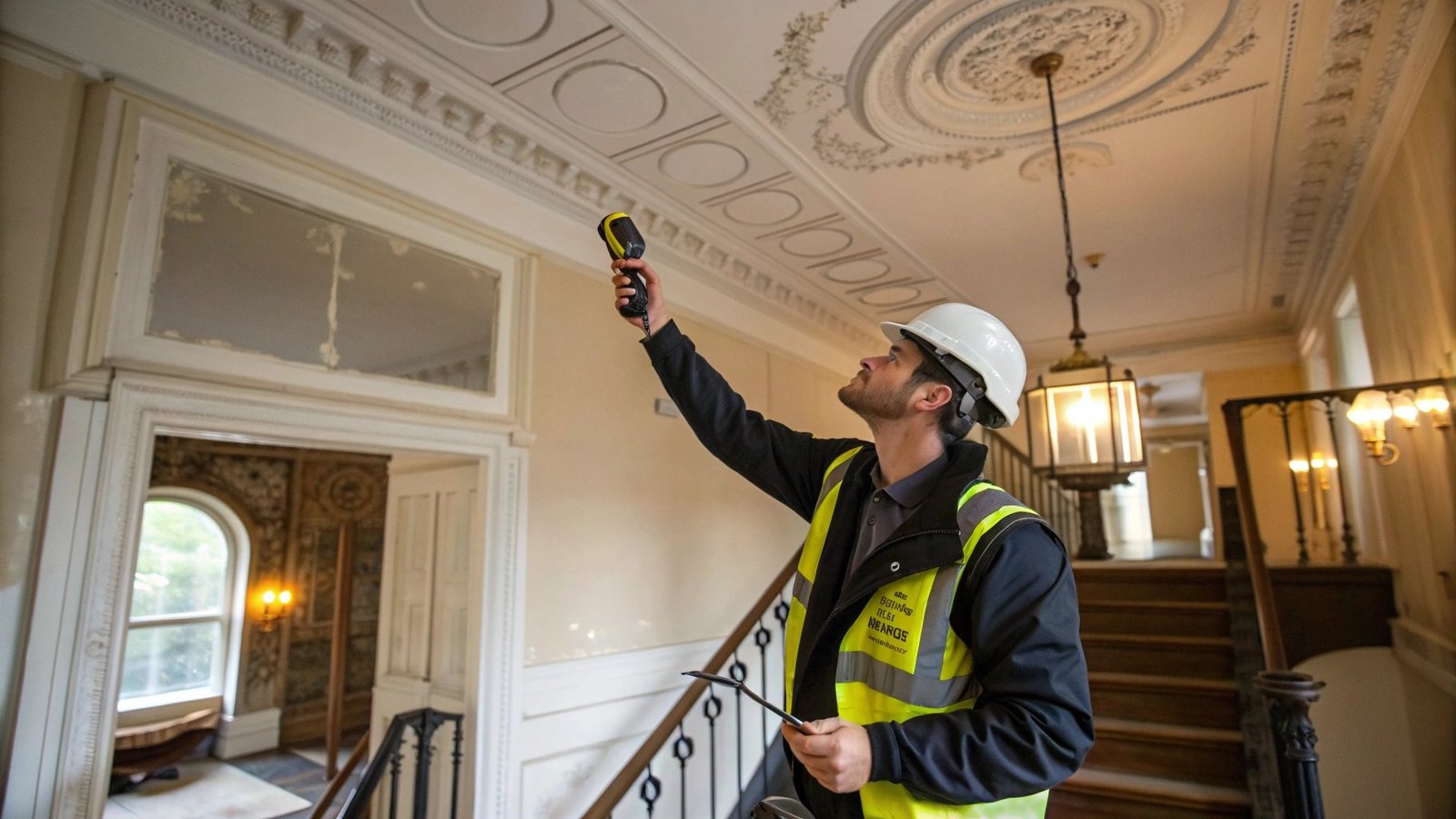
Modern Exeter surveyors increasingly employ thermal imaging technology to detect hidden defects that would remain invisible during traditional visual inspections. This sophisticated infrared technology allows surveyors to identify moisture penetration, insulation defects, air leakage, and structural problems before they manifest as visible damage. For property buyers in Devon, where damp and moisture problems affect the majority of older properties, thermal imaging provides invaluable additional insight that can prevent expensive post-purchase surprises and inform negotiations based on objective evidence of concealed defects.
Thermal imaging cameras detect infrared radiation emitted by all objects based on their temperature. Different materials and conditions produce distinct thermal signatures that trained surveyors can interpret to identify problems. Damp areas appear cooler than dry materials due to evaporative cooling. Missing or compressed insulation shows different temperatures than properly installed insulation. Air leaks create temperature variations at gaps and cracks. This non-invasive technology allows Exeter surveyors to detect problems hidden behind plaster, beneath floor coverings, or within wall cavities without any destructive investigation.
How Thermal Imaging Technology Works
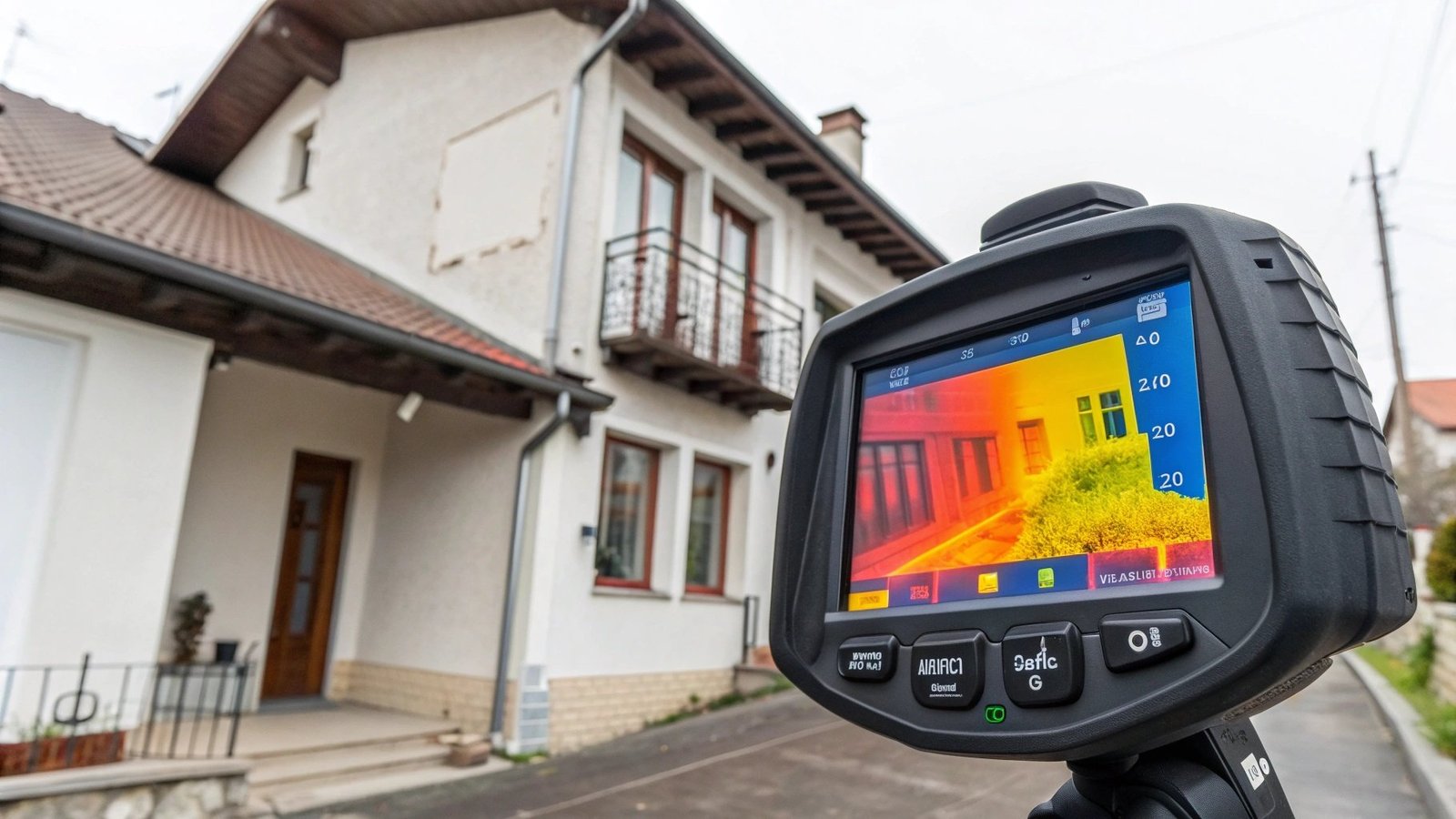
Understanding the science behind thermal imaging helps property buyers appreciate what this technology can reveal and its limitations. Thermal imaging cameras contain special sensors that detect infrared radiation across the electromagnetic spectrum. Every object emits infrared energy proportional to its temperature—the hotter an object, the more infrared radiation it emits. The camera's sensor detects these invisible temperature variations and converts them into visible images where different temperatures are represented by different colors.
Most thermal imaging cameras used by Exeter surveyors display warmer areas in red, orange, and yellow, while cooler areas appear in blue, purple, and black. Temperature scales accompanying thermal images show the actual temperature range being displayed, typically spanning ten to twenty degrees Celsius for building surveys. Professional surveyors interpret these thermal patterns in context, understanding that temperature variations have multiple possible causes and require expert analysis to diagnose accurately.
The technology works best when temperature differentials exist between inside and outside environments or between different building elements. This is why thermal surveys are often conducted during early morning or evening when outside temperatures differ significantly from interior conditions. Heating the property before thermal inspection can enhance detection of air leaks and insulation defects by creating greater temperature contrast between interior and exterior.
What Can Thermal Imaging Detect?
Thermal imaging technology reveals numerous defects and conditions that affect Devon properties, providing Exeter surveyors with diagnostic capabilities far beyond visual inspection alone. Understanding what thermal imaging can detect helps property buyers appreciate its value and decide whether commissioning thermal surveys provides worthwhile additional information for their specific circumstances.
Moisture and Damp Penetration
Detecting moisture within building structures is perhaps the most valuable application of thermal imaging in property surveys. Damp materials have different thermal properties than dry materials because water has high thermal mass and evaporative cooling effects. Damp areas typically appear cooler on thermal images than surrounding dry areas, creating distinct thermal patterns that reveal moisture penetration before it becomes visible as staining or damage.
This capability is particularly valuable for identifying leaks behind plasterwork, within wall cavities, beneath floor coverings, and in other concealed locations where moisture may accumulate undetected for extended periods causing progressive damage. Exeter surveyors using thermal imaging can detect rising damp patterns, penetrating damp from external walls or roofs, plumbing leaks within walls or floors, and condensation accumulation in cold spots or inadequately ventilated areas.
Early detection of moisture problems allows remediation before extensive damage occurs. What might be a minor repair if caught early can escalate into major structural work if moisture penetration continues undetected. For property buyers, thermal imaging evidence of hidden damp provides concrete justification for price negotiation or requesting remediation before completion.
Insulation Defects and Missing Insulation
Thermal imaging instantly reveals insulation defects that would otherwise remain hidden until reflected in high energy bills. Missing insulation, compressed insulation that has lost effectiveness, gaps in insulation coverage, and poorly installed insulation all create distinct thermal patterns that surveyors can identify immediately. This is particularly relevant in Devon properties where cavity wall insulation, loft insulation, and solid wall insulation have been retrofitted with varying degrees of quality and completeness.
Professional Exeter surveyors conducting thermal surveys can identify cold bridging where heat escapes through structural elements, inadequate roof space insulation, cavity wall insulation that has slumped leaving uninsulated areas, and poorly insulated floor areas causing heat loss. This information helps buyers understand likely energy performance and identify improvement opportunities that may qualify for energy efficiency grants or add value through reduced running costs.
Air Leakage and Draughts
Air leakage represents significant heat loss in properties and is often difficult to identify precisely through visual inspection alone. Thermal imaging reveals air infiltration patterns around windows and doors, at junctions between building elements, through cracks in masonry or render, around service penetrations, and at loft hatches or access points. These air leaks may collectively represent substantial heat loss affecting comfort and energy costs.
Identifying specific locations where draughts occur allows targeted remediation through draught-proofing measures that improve comfort and reduce heating costs. While some air change is necessary for healthy indoor air quality, excessive uncontrolled air leakage wastes energy and creates uncomfortable draughts that thermal imaging can locate precisely for effective remediation.
Structural Issues and Building Defects
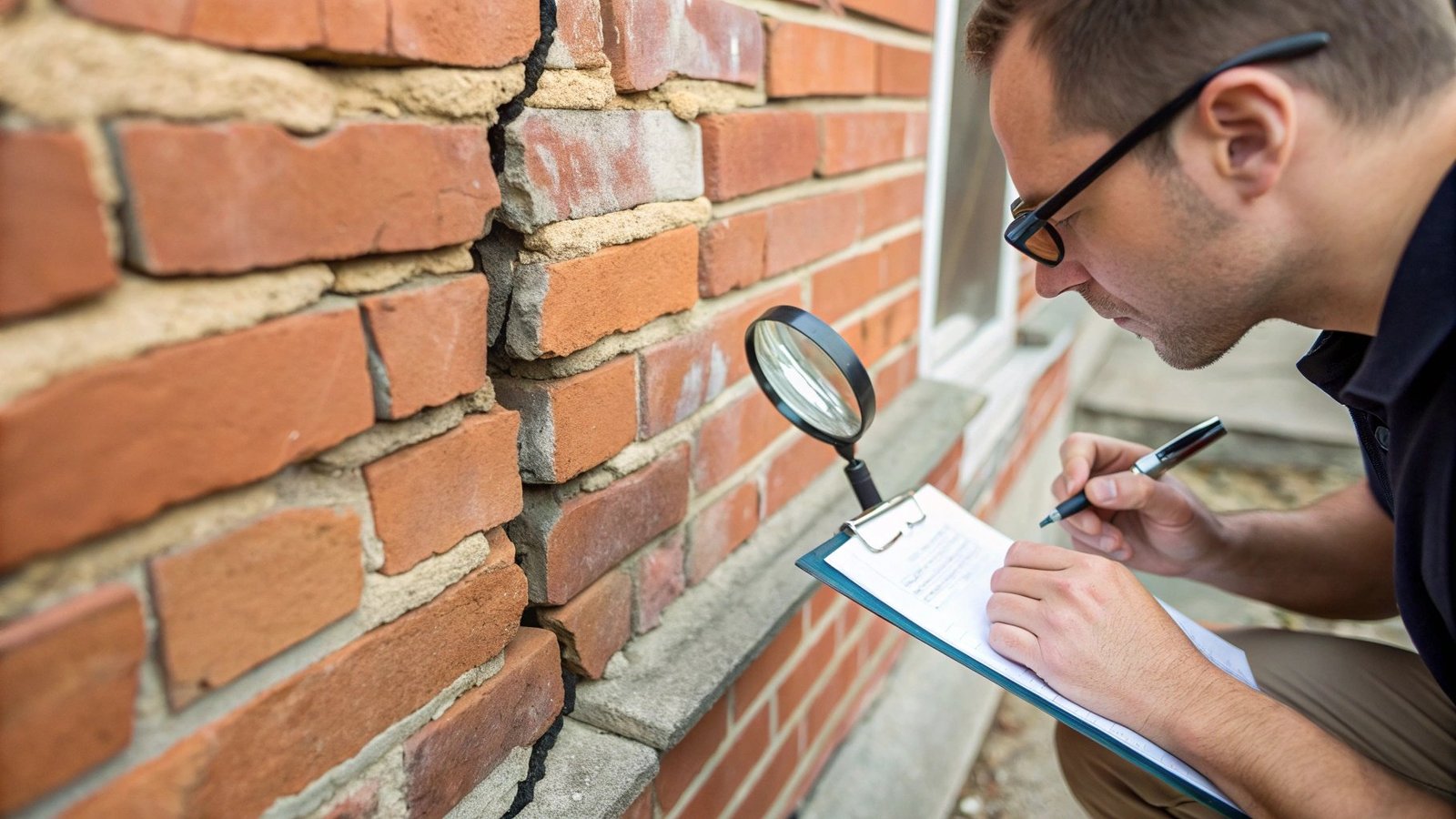
Thermal imaging can reveal certain structural issues including delaminated render where render has separated from underlying substrate, areas of structural movement where cracks allow air infiltration, thermal bridging at structural elements, and defective flashings or weatherproofing details allowing moisture penetration. While thermal imaging doesn't replace structural assessment, it provides additional diagnostic information that complements visual inspection and helps identify problems requiring further investigation.
Benefits of Thermal Imaging for Property Buyers
For buyers purchasing property in Devon, thermal imaging surveys provide numerous benefits that justify the additional cost and make them an increasingly popular supplement to traditional building surveys conducted by Exeter surveyors.
Non-Invasive Investigation
Perhaps the greatest advantage of thermal imaging is its completely non-invasive nature. Surveyors can investigate hidden areas without removing plaster, lifting floor coverings, or causing any damage to the property. This is particularly valuable for occupied properties where invasive investigation would be impractical, for detecting problems in areas that would be difficult or expensive to access for visual inspection, and for providing evidence of defects without the mess and disruption of opening up structures.
Objective Visual Evidence
Thermal images provide compelling visual evidence of defects that supports survey findings and aids negotiation. Rather than relying solely on written descriptions of suspected problems, buyers can present thermal images clearly showing moisture patterns, insulation defects, or air leakage to sellers when requesting price reductions or remediation. This objective evidence is difficult to dispute and typically strengthens negotiating positions significantly.
Early Problem Detection
Thermal imaging identifies problems at earlier stages than visual inspection alone, often detecting moisture penetration, insulation failure, or air leakage before any visible evidence appears. This early warning allows preventive action that avoids escalation into serious expensive damage. For property buyers, discovering problems before legal commitment provides opportunity to reconsider purchase, negotiate price adjustment, or request repairs without being locked into an unsatisfactory transaction.
Energy Efficiency Assessment
Understanding property thermal performance helps buyers estimate likely heating costs and identify improvement opportunities. Thermal imaging reveals exactly where heat is being lost and what remediation would be most effective for improving energy efficiency. In an era of rising energy costs and increasing focus on sustainability, this information is valuable for budgeting and planning improvement works that may qualify for government grants or financing programs.
Limitations of Thermal Imaging
While thermal imaging is a powerful diagnostic tool, understanding its limitations ensures buyers have realistic expectations and don't assume the technology can detect all possible defects or replace comprehensive visual surveys conducted by experienced Exeter surveyors.
Requires Temperature Differential
Thermal imaging relies on temperature differences to reveal problems. In summer when outside and inside temperatures are similar, thermal contrast may be insufficient for effective imaging. Similarly, if properties haven't been heated for extended periods, internal temperature variations that would reveal insulation defects may not be present. Professional surveyors schedule thermal surveys when conditions are optimal for revealing the information sought.
Cannot See Through All Materials
Despite common misconceptions, thermal imaging cannot see through walls in the sense of revealing internal construction or pipes and wiring locations. The technology detects surface temperature variations that may indicate what's happening within structures, but interpretation requires expertise and understanding of building construction. Certain materials including metal and glass have thermal properties that limit thermal imaging effectiveness for detecting problems behind these surfaces.
Requires Expert Interpretation
Thermal images show temperature variations, but determining what causes these variations requires expert knowledge and experience. Numerous factors influence thermal patterns including sun exposure, heating patterns, furniture locations, and material properties. Qualified Exeter surveyors understand these influences and can differentiate between thermal patterns indicating genuine defects and innocent variations caused by normal conditions. Inexperienced interpretation of thermal images can lead to incorrect conclusions about property condition.
Complements Rather Than Replaces Visual Survey
Thermal imaging is a valuable supplement to traditional visual surveys but cannot replace the comprehensive assessment provided by experienced surveyors walking through properties examining construction, condition, and defects directly. The technology provides additional information about hidden conditions but should be used alongside traditional survey techniques rather than as a standalone assessment method.
When Should You Commission Thermal Imaging?
Deciding whether thermal imaging provides value for your specific property purchase depends on several factors including property age and type, visible evidence of defects, your budget and risk tolerance, and specific concerns you want investigated. Exeter surveyors can advise whether thermal imaging would provide useful additional information for your circumstances.
Properties Where Thermal Imaging Adds Most Value
Thermal imaging is particularly valuable for older properties where damp problems are common and existing insulation may be inadequate, properties with known or suspected moisture issues requiring detailed investigation, properties that have had insulation retrofitted where installation quality is uncertain, properties with complex construction making visual inspection of all areas difficult, and properties where you're planning renovation works and want to understand existing thermal performance before designing improvements.
Cost Considerations
Thermal imaging surveys as standalone services typically cost between three hundred and six hundred pounds depending on property size and complexity. Some Exeter surveyors include basic thermal imaging as standard in comprehensive Building Surveys, while others offer it as an optional add-on to standard survey services. Given that thermal imaging may identify problems justifying thousands of pounds in price negotiation or reveal energy efficiency improvements that save hundreds annually on heating costs, the investment often provides excellent value for money.
How Exeter Surveyors Conduct Thermal Surveys
Professional thermal surveys follow systematic procedures to ensure comprehensive coverage and accurate results. Understanding what's involved helps property buyers appreciate the thoroughness of professional services and what to expect when commissioning thermal imaging.
Pre-Survey Preparation
For optimal results, surveyors may request that properties are heated for several hours before thermal inspection to create temperature differential between interior and exterior. External thermal scans are often conducted early morning or evening when outside temperatures are coolest and contrast with warmer interior temperatures is greatest. Surveyors also check weather conditions, as rain, fog, or strong wind can affect thermal imaging accuracy.
Systematic Property Survey
During thermal surveys, chartered surveyors systematically examine all accessible areas both internally and externally, capturing thermal images of walls, ceilings, floors, windows, doors, and any areas where defects are suspected or visible evidence suggests problems. Each thermal image is documented with location notes, regular photographs for context, and initial interpretation of observed thermal patterns.
Analysis and Reporting
Following site inspection, surveyors analyze thermal images in detail, correlating thermal patterns with visual observations and knowledge of construction types typical for the property. Reports include thermal images with clear annotations explaining what patterns reveal, comparison with regular photographs showing same locations for context, detailed interpretation of findings including likely causes and significance of identified problems, and recommendations for further investigation or remediation where appropriate.
Frequently Asked Questions
Is thermal imaging included in standard building surveys?
Some Exeter surveyors include basic thermal imaging as standard in Level 3 Building Surveys, while others offer it as an optional add-on. Always check what's included when commissioning surveys and consider adding thermal imaging if it's not standard, particularly for older properties or those where damp or insulation concerns exist. The additional cost typically provides excellent value given the problems thermal imaging can detect.
Can thermal imaging detect all types of damp?
Thermal imaging is highly effective at detecting moisture within structures because damp areas have different thermal properties than dry materials. However, it works best when temperature differentials exist and moisture is present during the survey. Very minor dampness or dampness deep within thick walls may not always create sufficient thermal contrast for detection. Professional Exeter surveyors use thermal imaging alongside moisture meters and visual inspection for comprehensive damp assessment.
What's the best time of year for thermal imaging surveys?
Thermal imaging works best when significant temperature differential exists between inside and outside environments. In the UK, autumn through spring typically provides optimal conditions when properties are heated and outside temperatures are cool. Summer surveys can still be effective, particularly early morning or evening, but may show less thermal contrast. Your surveyor will advise on timing for optimal results.
How accurate is thermal imaging for detecting building defects?
When conducted by qualified surveyors using professional equipment under appropriate conditions, thermal imaging is highly accurate for detecting temperature variations indicating moisture, insulation defects, and air leakage. However, accuracy depends on proper interpretation—thermal patterns must be analyzed in context considering construction type, environmental conditions, and other factors. This is why thermal surveys should only be conducted by experienced chartered surveyors who understand both the technology and building construction.
Can I do my own thermal imaging survey with a smartphone app?
While smartphone thermal imaging attachments and apps exist, they lack the resolution, sensitivity, and accuracy of professional thermal imaging cameras used by chartered surveyors. More importantly, interpreting thermal images requires substantial expertise and understanding of building construction. DIY thermal imaging may miss important problems or incorrectly diagnose innocent thermal patterns as defects. For property purchase decisions involving hundreds of thousands of pounds, professional thermal surveys by qualified Exeter surveyors represent sensible investment in proper due diligence.
Will thermal imaging find problems that would be missed otherwise?
Yes, thermal imaging frequently identifies hidden problems that visual inspection alone would miss, including moisture within walls before visible staining appears, missing or defective insulation behind plaster, air leakage through concealed gaps, and early-stage problems before they develop into obvious damage. This early detection capability makes thermal imaging particularly valuable for buyers who want comprehensive understanding of property condition before committing to purchase.
Advanced Survey Technology for Complete Property Assessment
Thermal imaging technology provides Exeter surveyors with powerful diagnostic capabilities that reveal hidden defects and give property buyers comprehensive understanding of condition and performance. Our experienced team uses professional-grade thermal imaging equipment alongside traditional survey techniques to deliver the most thorough property assessments available, ensuring you have complete information for confident purchasing decisions.
Don't leave property condition to chance when advanced technology can reveal hidden problems before they become expensive repairs. Contact our expert surveying team today to discuss incorporating thermal imaging into your comprehensive building survey and benefit from the most advanced diagnostic techniques available to protect your property investment.