Exeter surveyors with specialist knowledge of historic buildings are essential when purchasing listed properties or period homes in conservation areas. These characterful buildings require different survey approaches than modern properties because of their traditional construction methods, unique materials, and special regulatory requirements. Understanding what makes heritage building surveys different, what to look for, and how to maintain these properties appropriately ensures you make informed purchasing decisions and properly care for Devon's architectural heritage.
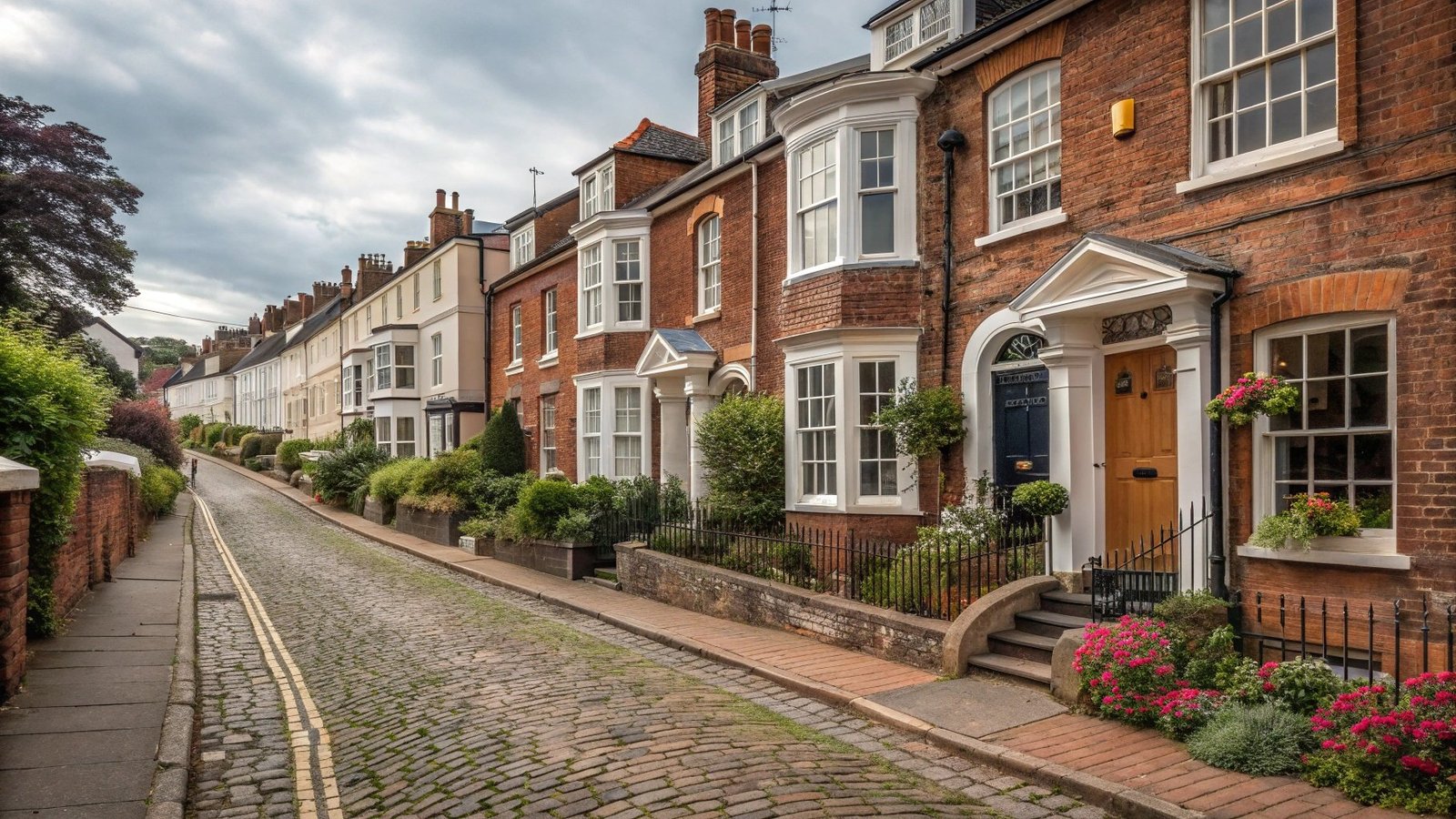
Exeter boasts a rich architectural heritage spanning nearly two thousand years, from Roman walls to Victorian terraces. The city contains numerous Grade I, Grade II*, and Grade II listed buildings, plus extensive conservation areas where special planning considerations apply. Devon as a whole has over twelve thousand listed buildings, many using traditional construction methods including cob, stone, lime mortar, and historic timber framing. Purchasing these properties without specialist survey advice risks expensive mistakes and regulatory problems when alterations prove non-compliant with conservation requirements.
Understanding Listed Building Status
Listed building status provides legal protection for structures of special architectural or historic interest. Historic England maintains the National Heritage List, with buildings classified into three grades reflecting their significance. Grade I buildings are of exceptional interest (approximately two point five percent of listings), Grade II* are particularly important buildings of more than special interest (five point eight percent), and Grade II buildings are of special interest, warranting preservation (ninety-one point seven percent). In Exeter and Devon, the majority of listed properties are Grade II, but all categories require listed building consent for alterations affecting character or appearance.
Listed building consent is separate from planning permission and required for many works including structural alterations, changes to historic features, replacement windows or doors, installation of services, and external changes affecting appearance. Even internal works may require consent if they affect historic fabric. Unauthorized works constitute criminal offences with unlimited fines and imprisonment up to two years. Exeter surveyors familiar with heritage buildings advise on what works require consent and help buyers understand regulatory obligations before purchase.
Traditional Construction Methods
Period properties in Exeter employ construction methods vastly different from modern building techniques. Understanding these traditional approaches helps buyers appreciate what surveyors examine during inspections and what maintenance traditional buildings require.
Cob Construction
Devon is famous for cob buildings—structures made from earth, straw, sand, and water mixed into a plastic material, built up in layers, and protected by lime renders and thatched or slate roofs. Cob is remarkably durable when properly maintained, with many Devon cob cottages standing for centuries. However, cob requires specific understanding and sympathetic repair approaches. The material needs to breathe, allowing moisture movement through walls without deterioration. Applying impermeable modern renders or paints traps moisture and causes accelerated decay. Exeter surveyors assessing cob properties examine wall bases for erosion, render condition, roof protection keeping walls dry, and evidence of inappropriate modern repairs using cement-based materials.
Stone Construction
Exeter and Devon properties use various stone types including local volcanic trap, sandstone, limestone, and granite. Most historic stone buildings have solid walls without cavities, often with random rubble construction using rough stones with thick lime mortar joints. Stone durability varies by type—some sandstones are vulnerable to frost damage and weathering, while granite proves extremely durable. Key survey considerations include stone condition and weathering, mortar type and condition (lime mortars are soft and porous, allowing flexibility and moisture movement), wall thickness and construction quality, and damp penetration through solid walls. Surveyors pay particular attention to any cement repointing, which is harder than stone and lime mortar, causing moisture retention and accelerated stone decay.
Timber Framing
Medieval and Tudor buildings often feature exposed timber framing with infill panels of wattle and daub, brick nogging, or lath and plaster. Timber frame buildings require careful assessment of structural timber condition, checking for rot, decay, beetle infestation, and structural movement. Exeter surveyors examine timber joints for tightness and security, infill panel condition, wall plate and sill condition where timber meets masonry, and roof structure integrity. Historic timber often shows some beetle flight holes from historic infestations that are now inactive—distinguishing between active and historic problems requires expertise.
What Exeter Surveyors Examine in Period Properties
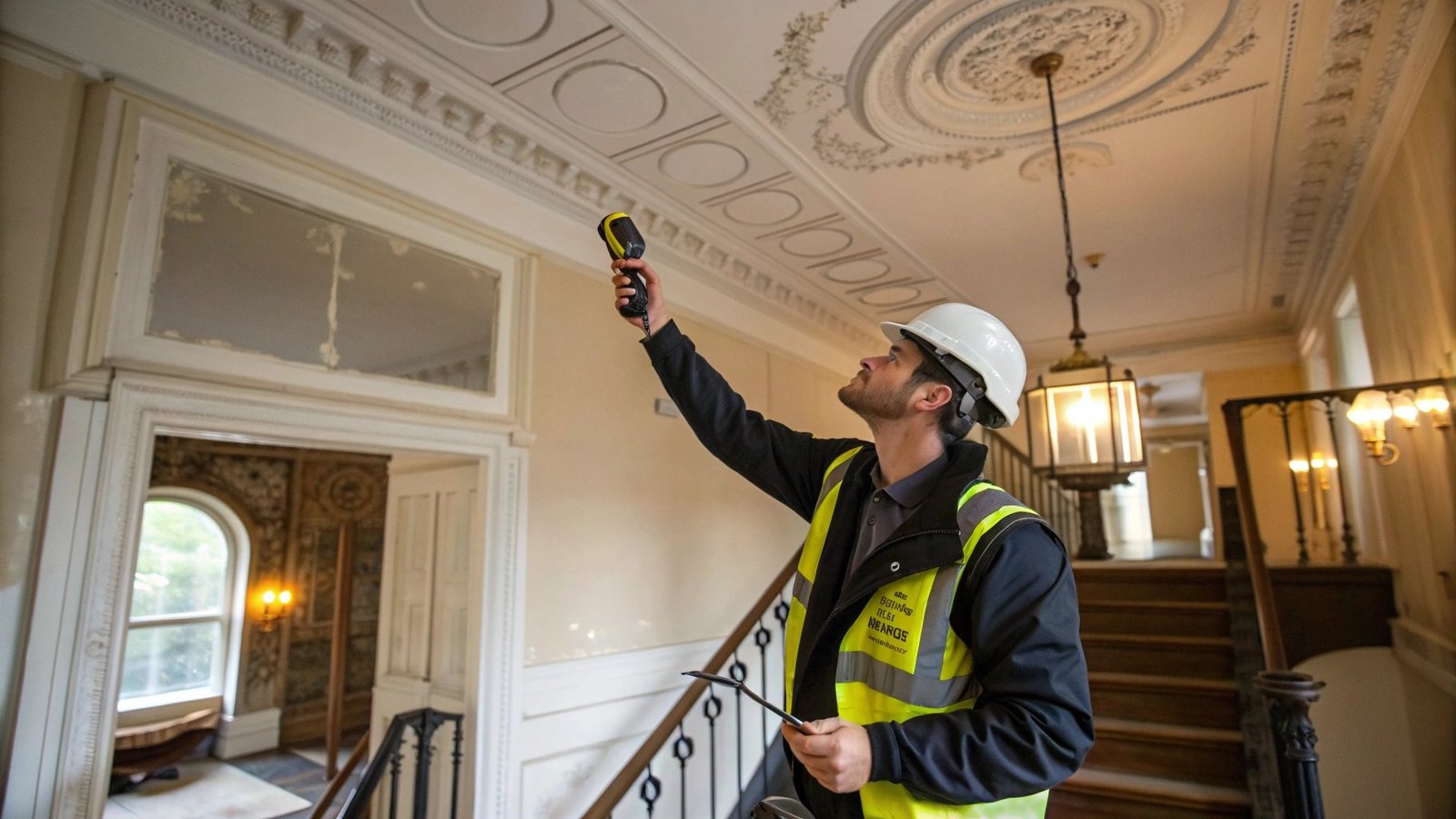
Surveying heritage buildings requires additional considerations beyond standard modern property surveys. Specialist Exeter surveyors understand traditional construction and can assess whether buildings are performing acceptably for their age and type.
Structural Movement and Settlement
Period properties commonly show evidence of historic movement and settlement. Walls may lean slightly, floors slope, and door frames sit out of square. These characteristics often represent centuries of gradual settlement that has stabilized and doesn't indicate ongoing problems. However, distinguishing between acceptable historic movement and active ongoing issues requires expertise. Surveyors assess crack patterns, examine whether cracks show recent movement, consider whether alterations may have triggered new problems, and evaluate whether movement affects structural stability or is purely cosmetic. Some degree of irregularity is normal and acceptable in buildings constructed before modern engineering standards—expecting perfect alignment is unrealistic and inappropriate for period properties.
Damp and Moisture Management
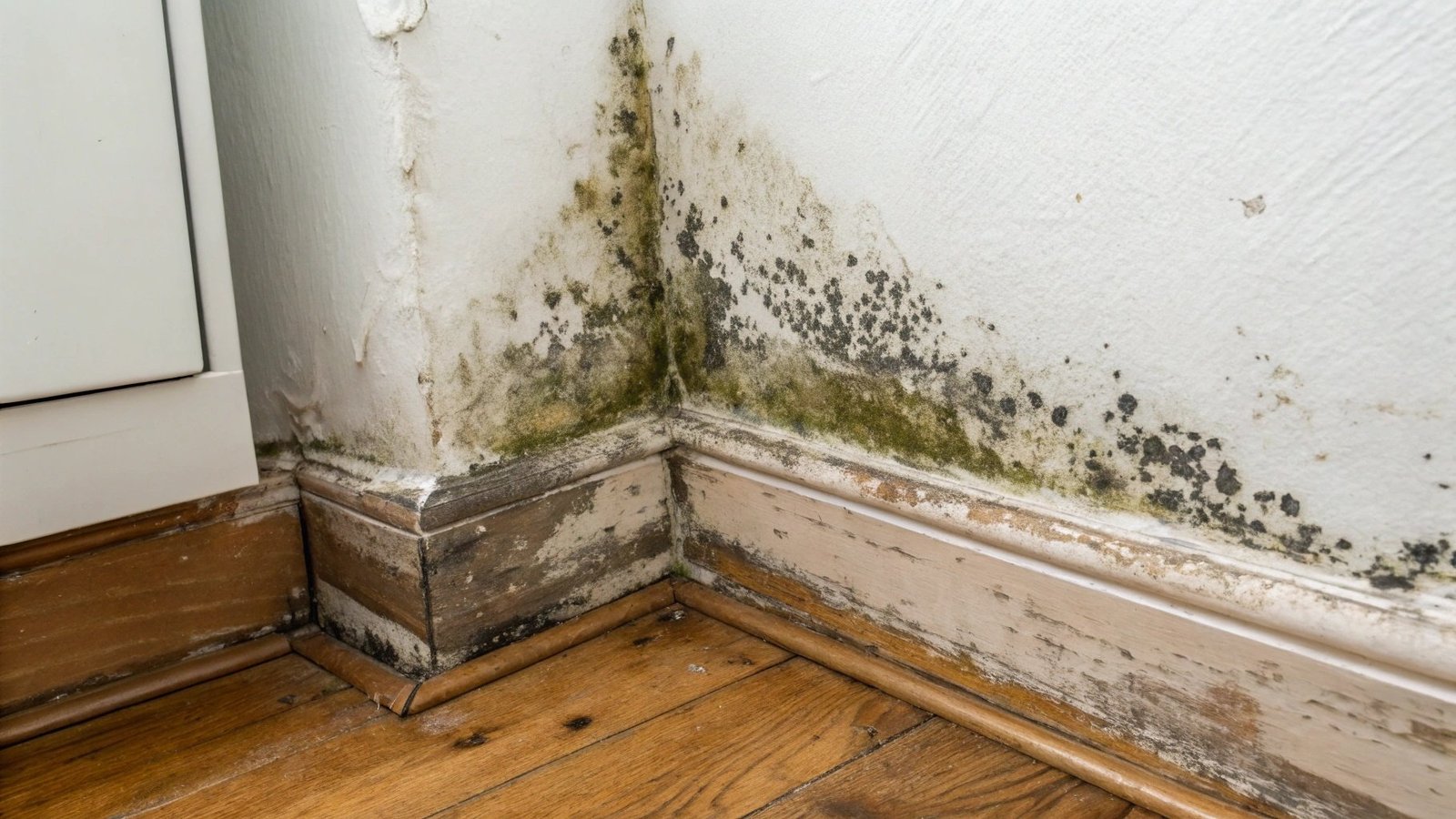
Traditional buildings manage moisture differently than modern constructions. They were designed to breathe, absorbing and releasing moisture seasonally without deterioration when maintained with appropriate materials. Many damp problems in heritage buildings result from inappropriate modern interventions including cement renders trapping moisture, impermeable paints preventing evaporation, cement pointing harder than building materials, raised external ground levels bridging foundations, and blocked or inadequate ventilation. Specialist Exeter surveyors understand that some degree of elevated moisture readings is normal in solid-walled traditional buildings and doesn't necessarily indicate problems requiring treatment. They distinguish between moisture movement that's part of normal building behavior and problematic dampness requiring intervention.
Alterations and Inappropriate Repairs
Many period properties have suffered from well-meaning but inappropriate alterations using modern materials incompatible with traditional construction. Surveyors identify cement-based mortars and renders on buildings requiring lime-based materials, uPVC windows in buildings where timber is appropriate, concrete floors in buildings needing breathable floor construction, loft insulation blocking essential ventilation, and structural alterations that may lack listed building consent. These inappropriate interventions may require costly reversal to prevent ongoing damage and ensure regulatory compliance. Understanding what works have been done and whether they're appropriate helps buyers budget for necessary remediation.
Special Considerations for Listed Buildings
Purchasing listed buildings brings additional responsibilities and considerations beyond standard property ownership. Understanding these factors before purchase prevents unwelcome surprises and expensive regulatory problems.
Ongoing Maintenance Requirements
Listed buildings require higher maintenance levels than modern properties. Traditional materials and construction methods need regular attention to prevent deterioration. Lime mortars require repointing more frequently than cement alternatives. Timber windows need regular painting and maintenance. Traditional roof coverings including stone slates or handmade clay tiles need skilled craftspeople for repairs. These ongoing costs should factor into purchase decisions and long-term budgeting. However, proper maintenance using appropriate materials and techniques ensures buildings remain in good condition for future generations while maintaining their value and character.
Alteration Restrictions
Listed building consent requirements limit alterations you can make. Even changes that would be permitted development in unlisted properties may require consent in listed buildings. This includes replacement windows, new doors, loft conversions, extensions, solar panels, and service installations. Consent applications involve detailed submissions demonstrating how works affect heritage significance, often requiring heritage statements from specialists. Exeter surveyors help buyers understand what alterations current owners have made, whether appropriate consents were obtained, and what restrictions future changes might face. This information is crucial if you have renovation plans that may not be permissible.
Insurance Considerations
Insuring listed buildings requires specialist policies from insurers familiar with historic property risks and values. Standard home insurance often excludes or provides inadequate cover for listed buildings. Specialist policies cover rebuilding costs using appropriate traditional materials and skilled craftspeople, which are substantially higher than modern construction costs. They also cover specific heritage risks and may offer access to specialist loss adjusters familiar with historic buildings. Obtain insurance quotations before purchase to understand ongoing costs—premiums may be higher than modern properties of similar size.
Mortgage Availability
Some mortgage lenders are reluctant to lend on listed buildings, particularly those with thatched roofs, non-standard construction like cob, or requiring significant remedial works. High street lenders may decline applications, requiring specialist mortgage brokers who know lenders comfortable with heritage properties. Survey reports identifying significant defects or non-standard features may affect mortgage availability or require retention of funds until works complete. Discuss lending with mortgage brokers familiar with listed properties before viewing, ensuring you don't waste time on properties you can't finance.
Choosing the Right Surveyor
Not all surveyors have expertise in heritage buildings, and selecting one with appropriate knowledge is crucial for accurate assessment and appropriate advice. Look for chartered surveyors with demonstrable experience of historic buildings, understanding of traditional construction methods, knowledge of conservation principles and listing requirements, and membership of relevant professional bodies such as RICS Building Conservation Group. Ask potential surveyors about their experience with listed buildings, what training they've received, and whether they've worked on properties similar to the one you're purchasing. Exeter surveyors specializing in heritage buildings understand what's normal for period properties and won't raise unnecessary alarms about characteristics that are acceptable given building age and type.
Frequently Asked Questions
Are listed building surveys more expensive than standard surveys?
Generally yes. Listed building surveys typically cost ten to thirty percent more than standard surveys because they require additional time for specialist assessment of traditional construction, checking for inappropriate alterations, and advising on conservation requirements. However, this additional cost provides crucial expertise ensuring you understand heritage building responsibilities and don't purchase properties with hidden regulatory or structural problems.
Can I remove listed building status from a property?
No. Listed building status is permanent protection that cannot be removed by current owners. Historic England can delist buildings in exceptional circumstances if listing was inappropriate, but this is extremely rare. When purchasing listed buildings, accept that designation is permanent and plan accordingly for regulatory requirements and maintenance obligations.
What happens if I make unauthorized alterations to a listed building?
Unauthorized works constitute criminal offences with penalties including unlimited fines, imprisonment up to two years, and enforcement notices requiring reversal at your expense. Local authorities can prosecute even if you didn't know works required consent—ignorance is no defence. Always obtain professional advice from Exeter surveyors familiar with heritage buildings and submit listed building consent applications before commencing any alterations.
Are period properties more expensive to maintain?
Generally yes. Traditional materials and construction methods require specialist contractors with appropriate skills, and materials like lime mortar, handmade tiles, and historically appropriate timber are more expensive than modern alternatives. However, proper maintenance using appropriate techniques extends building lifespan and maintains value. Many owners find that regular modest expenditure on correct maintenance is more cost-effective than deferred maintenance leading to major problems requiring expensive emergency repairs.
Can I install modern heating and services in listed buildings?
Usually yes, but installations must minimize impact on historic fabric and may require listed building consent depending on building significance and work extent. Sympathetic installations conceal pipework and wiring, avoid damaging historic features, and use reversible fixings where possible. Experienced Exeter surveyors and conservation architects can advise on appropriate approaches that provide modern comfort while respecting heritage significance.
Should I buy a listed building if I have no experience with old properties?
Listed building ownership isn't for everyone. It requires patience with quirks like uneven floors and draughty windows, commitment to ongoing maintenance, acceptance of alteration restrictions, and often higher running costs. However, many owners find rewards in preserving heritage, enjoying unique character, and living in buildings with centuries of history outweigh the challenges. Commission comprehensive surveys from specialist Exeter surveyors who can explain exactly what ownership entails before committing to purchase.
Specialist Heritage Building Survey Services
Purchasing listed buildings or period properties requires specialist survey expertise ensuring you understand traditional construction, conservation requirements, and appropriate maintenance approaches. Our experienced team of chartered Exeter surveyors includes specialists in heritage buildings who provide comprehensive assessments tailored to historic properties throughout Devon.
Don't risk purchasing a listed building without specialist advice. Commission professional surveys from qualified surveyors who understand traditional construction and can provide the expert guidance essential for successful heritage property ownership. Contact our specialist team today to discuss your listed building survey requirements.